The City of Silversmiths
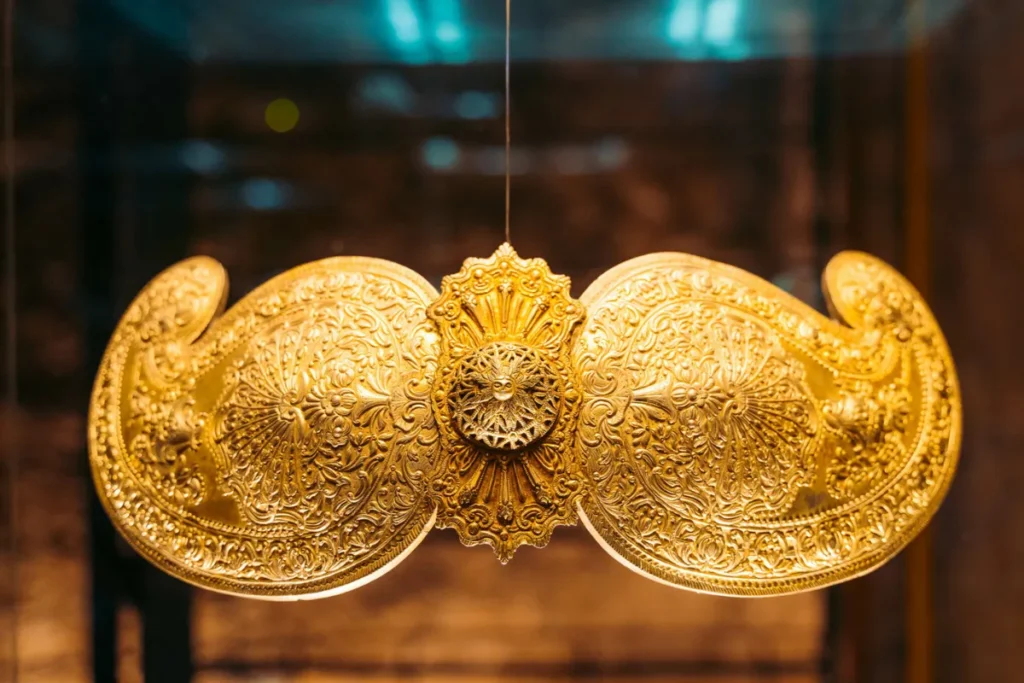
The art of silversmithing in Ioannina is one of the most characteristic and enduring pillars of the city’s cultural identity. Its roots date back to the Byzantine period, while its heyday was during the Ottoman era, when Ioannina developed into an important commercial and intellectual center of Epirus and the Balkans.
As early as the 15th century, silverworking was widespread in the region, with organized workshops operating mainly inside the castle. The art was passed down from generation to generation through rigorous apprenticeships, ensuring continuity and high quality production. The artisans of Ioannina specialized mainly in silver, creating jewelry, ecclesiastical vessels, decorative objects, and everyday items.
During the 17th and 18th centuries, silversmithing was a key economic and social pillar of the city. The silverware of Ioannina was distinguished for its technical excellence, rich decoration, and combination of Byzantine, Eastern, and Western artistic elements. Its reputation spread beyond local borders, reaching markets in Central Europe and Russia, strengthening Ioannina’s extroversion and economic prosperity.
Silversmithing served not only as a form of artistic expression, but also as a social and cultural symbol. It was linked to religious life, customs, and everyday life in the region, reflecting the needs and values of the local community.
Silversmithing Museum
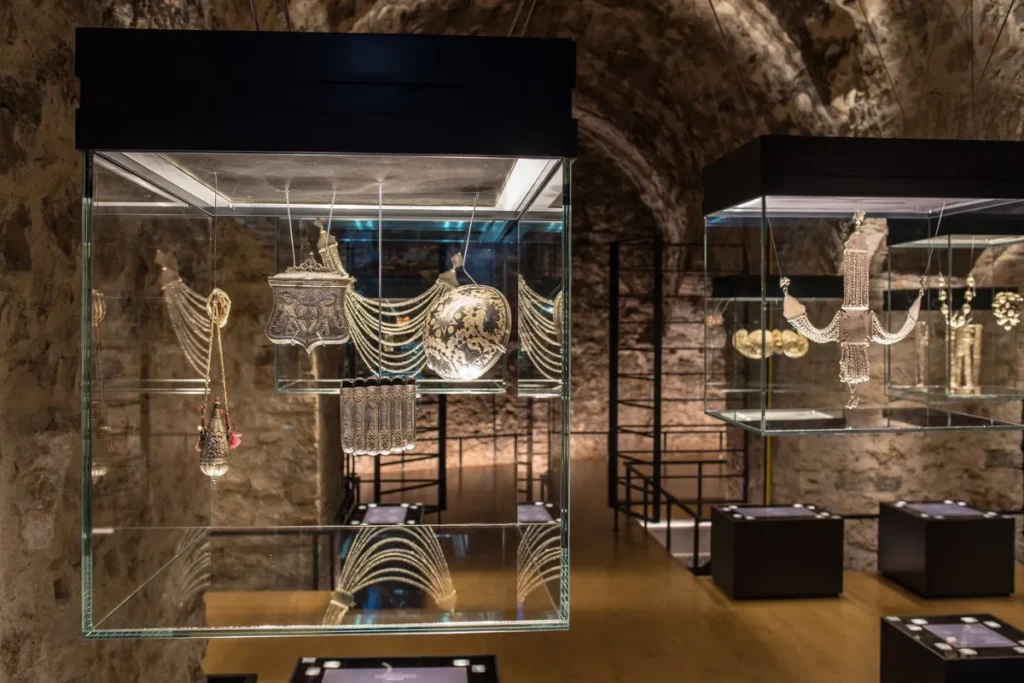
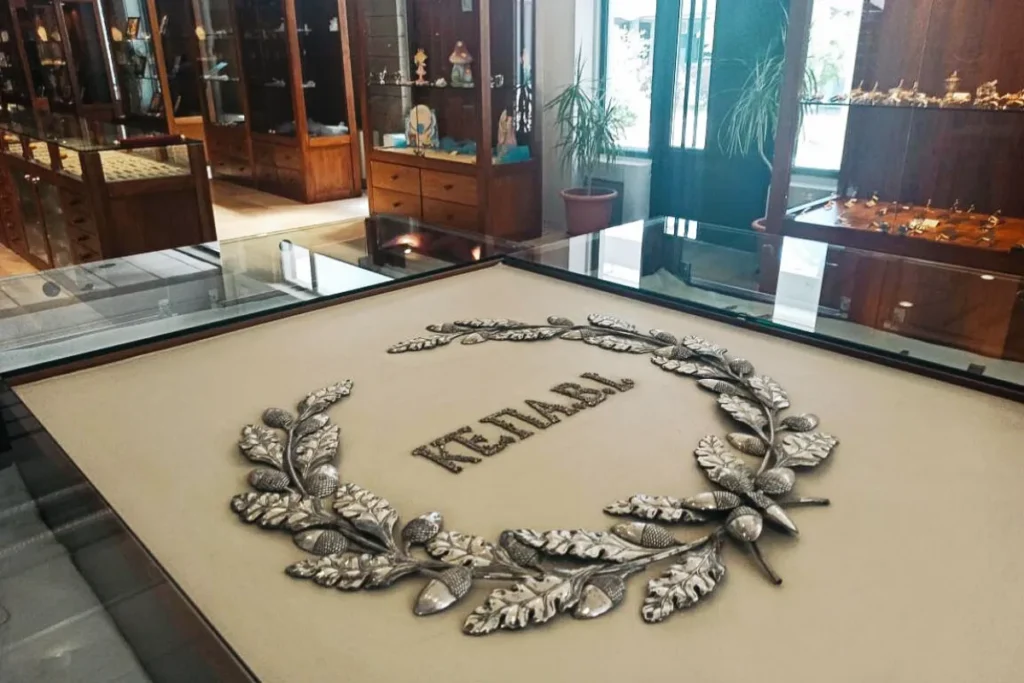
In modern times, this tradition is kept alive and institutionally promoted through the Ioannina Silversmithing Museum, which presents the timeless evolution of the art and its significance for the city. Silversmithing in Ioannina remains a living cultural heritage, connecting the past with the present and confirming the city’s timeless role as a center of art and creativity.
See more
Ακολουθήστε μας!
- Privacy Policy
- Cookies