Sights

Ioannina is shaped by a quiet harmony of nature, history, and everyday life.
The lake reflects centuries of stories, stone-built neighborhoods preserve memory, and ancient landmarks stand as witnesses of culture that endures. Paths through forests and mountain landscapes invite slow exploration, while traditional villages and sacred places reveal the depth of local identity.

Here, every moment feels grounded and sincere, offering experiences rooted in heritage, authenticity, and the natural rhythm of Epirus.

The Castle of Ioannina

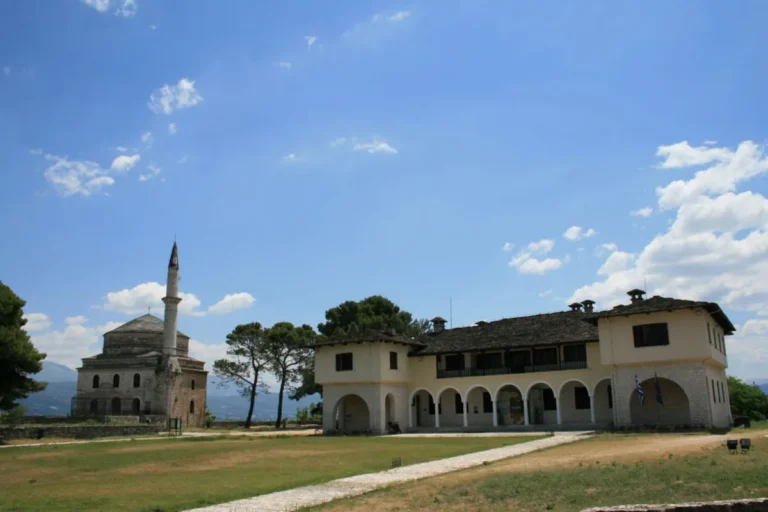
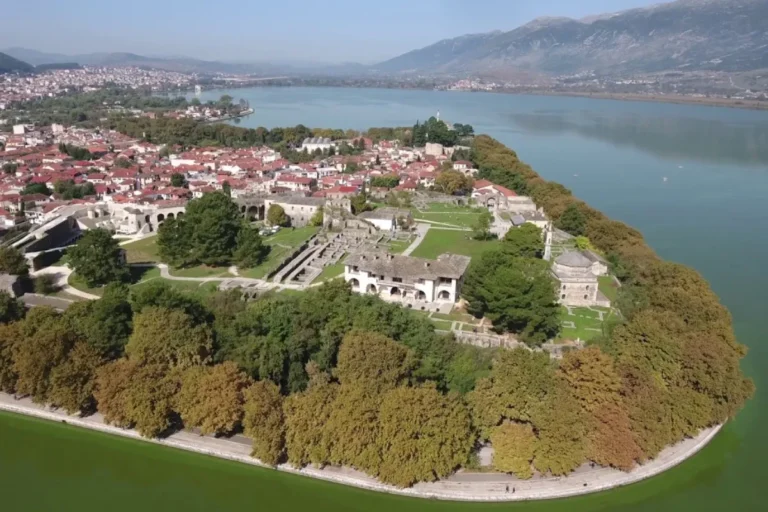
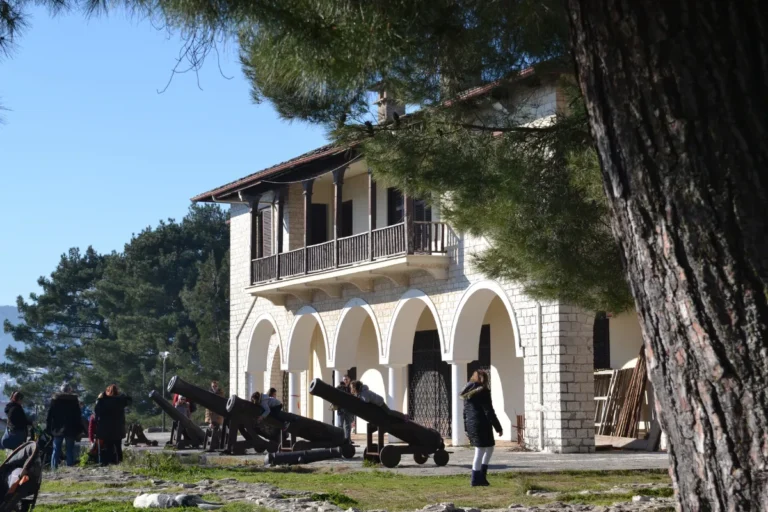
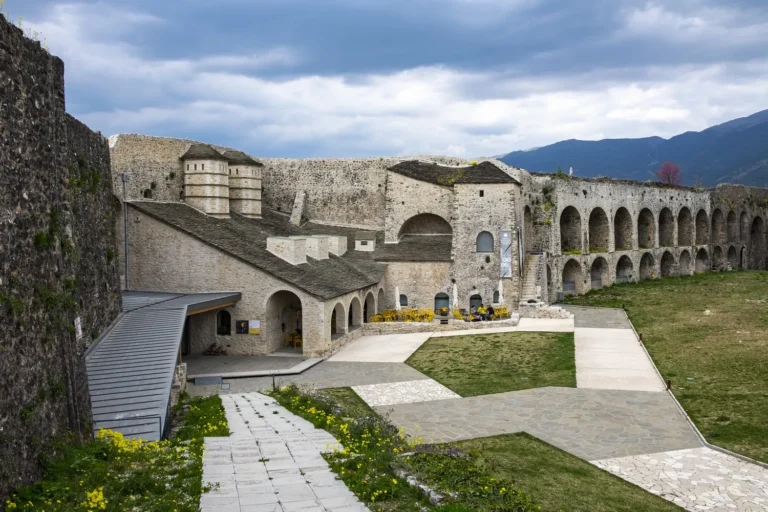
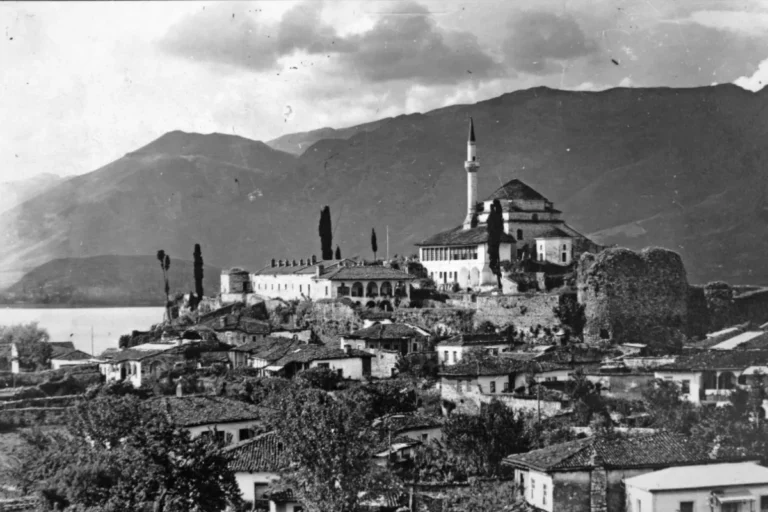
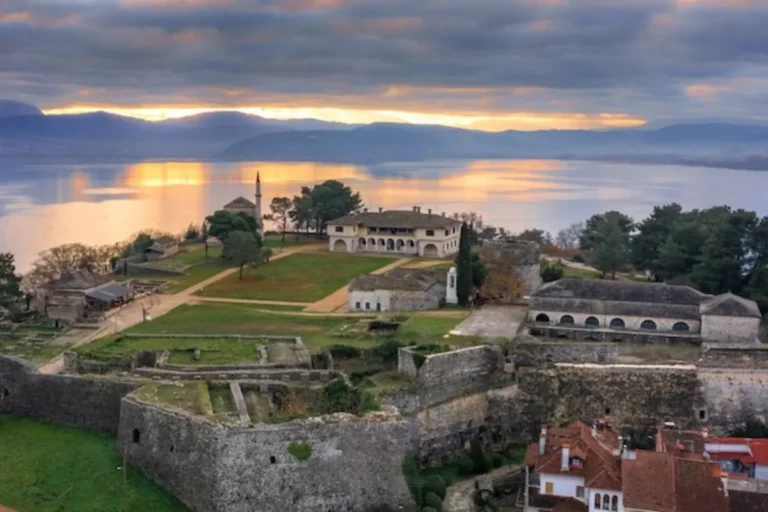
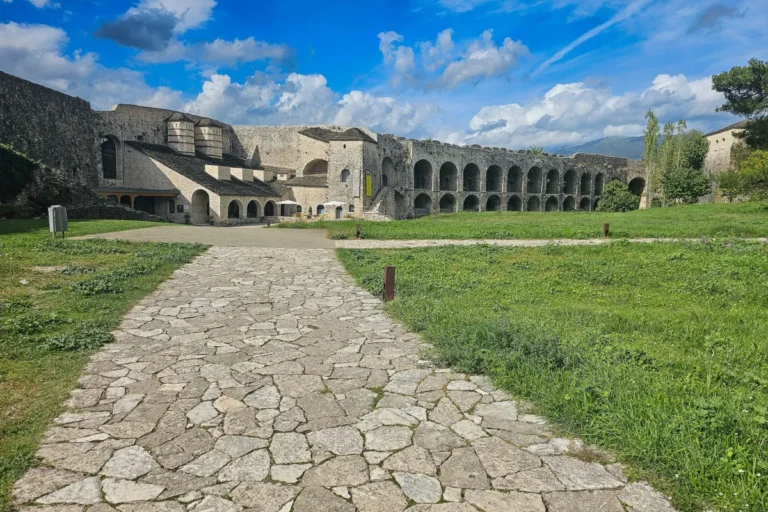
The Castle of Ioannina is the historic heart of the city and one of the oldest continuously inhabited fortified settlements in Greece. Built in a strategic location next to Lake Pamvotis, the Castle has been an administrative, military, and social center for centuries.

Inside, there are important monuments from different historical periods, which reflect the city’s long history. The walls, cobbled alleys, and historic buildings create an urban environment that has retained its authentic character. Of particular importance are the two citadels, Its Kale and the northeast citadel, which house museums and monuments of great historical value.

A tour of the Castle is not just a visit to an archaeological site. It is an experience of everyday life, as people continue to live inside it, keeping its historical character alive. The Castle of Ioannina offers visitors a rare opportunity to get to know the city through its timeless continuity.
Lake Pamvotida

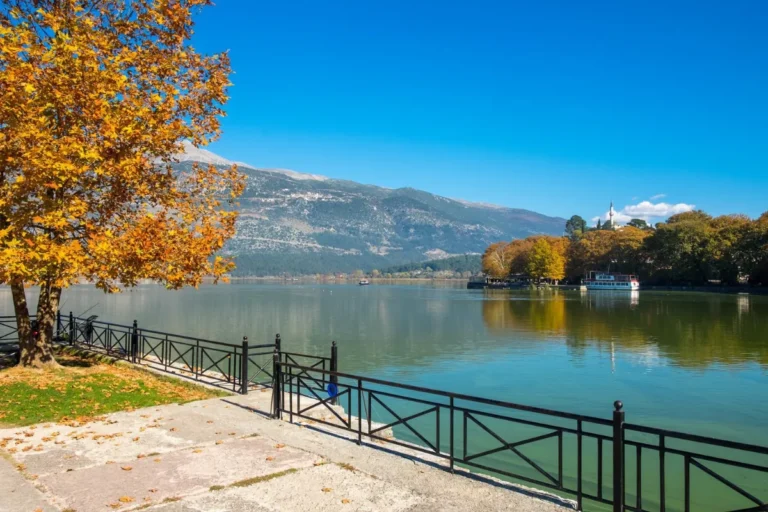
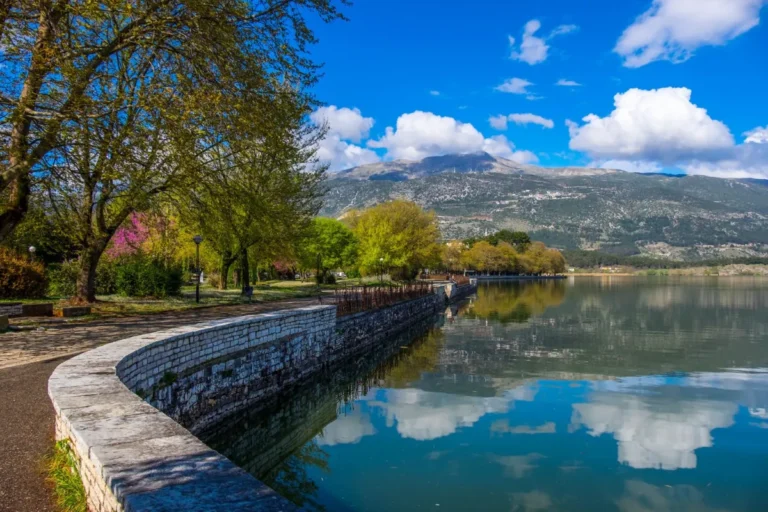
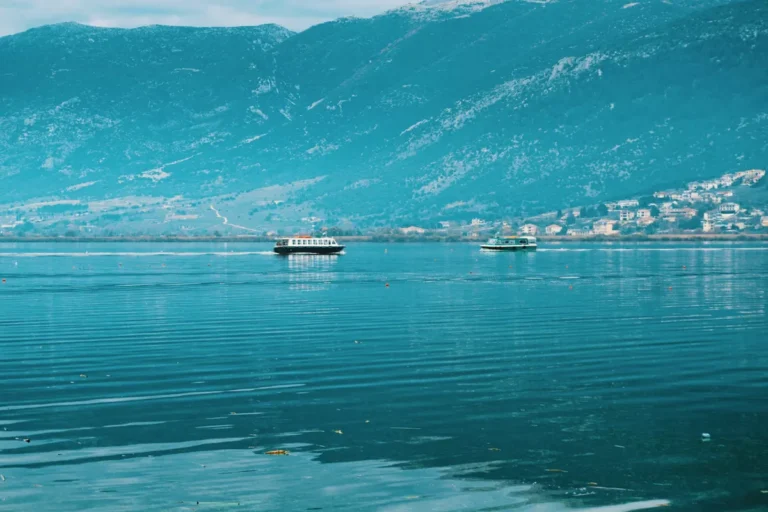
Lake Pamvotida is the natural and symbolic landmark of Ioannina.
It is one of the oldest lakes in Europe and is inextricably linked to the history, identity, and daily life of the city.
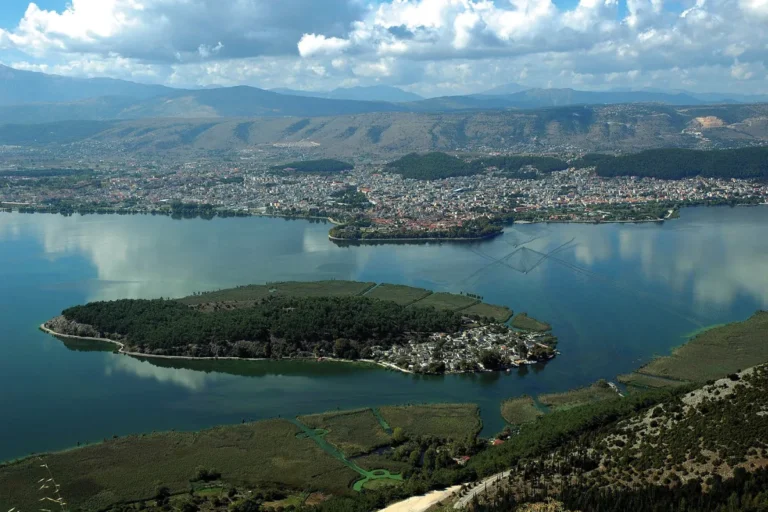
It is located in close proximity to the urban fabric, creating a unique landscape where the natural environment and the city coexist harmoniously. The lakeside road offers opportunities for walking and relaxation, while the view of the Castle and the Island enhances the special character of the area.

Pamvotida is home to rich fauna and flora, constituting an important ecosystem and protected natural area. At the same time, it functions as a space for recreation and cultural activities, connecting the natural element with the modern life of the city.
For visitors, the lake is not just an attraction, but a point of reference. It is the element that gives Ioannina its characteristic atmosphere and determines the rhythm and aesthetics of the city.

The Island of Lake Pamvotis

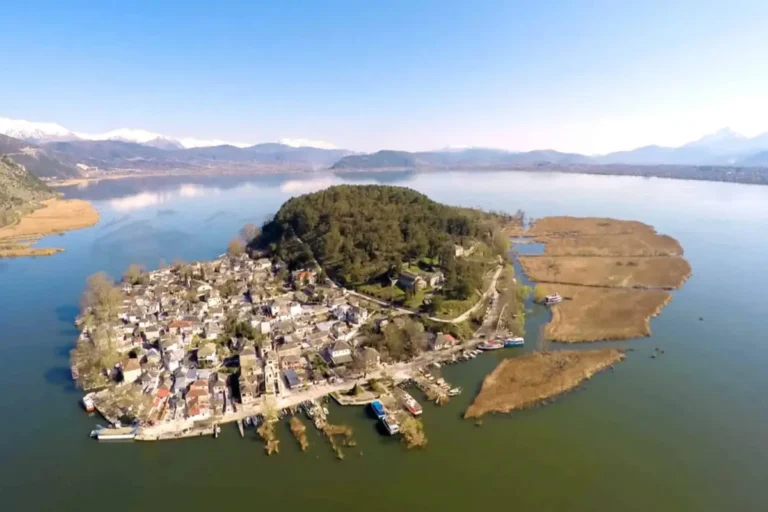
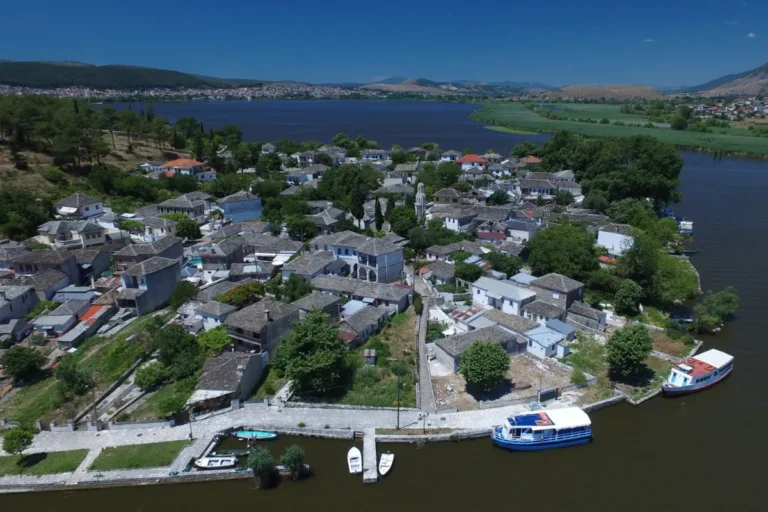
The island in Lake Pamvotis is one of the most unique settlements in Greece, as it is the only inhabited lake island in the country. Accessible by boat from the center of Ioannina, it offers an experience unlike anything you would find in everyday urban life.

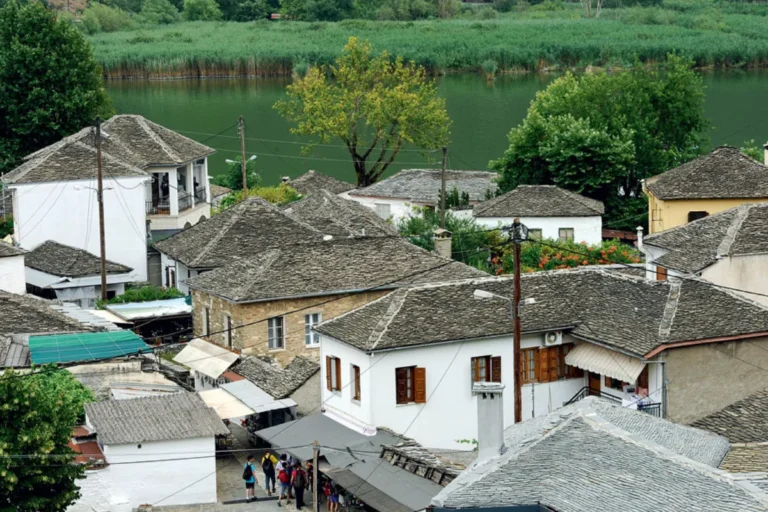
The traditional settlement has retained its character, with stone houses, narrow streets, and courtyards that exude a sense of tranquility. The island is home to important monasteries, which have been the spiritual and historical centers of the region for centuries.
Of particular historical significance is the island’s connection with the last years of Ali Pasha, a fact that reinforces its historical symbolism. At the same time, local traditions and gastronomy remain alive, offering visitors authentic experiences.

The island in the lake combines history, culture, and natural beauty, forming an integral part of the identity of Ioannina and a key stop on any visit to the region.

The Cave of Perama

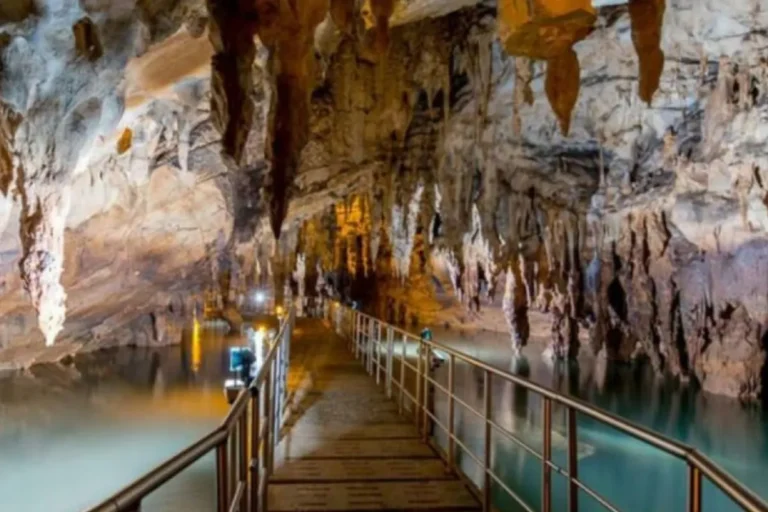
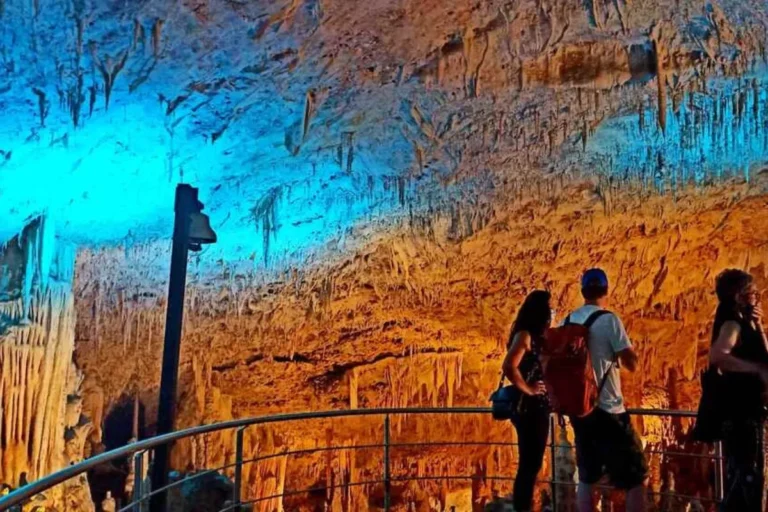
The Perama Cave is located a short distance from the center of Ioannina and is one of the most important caves in Greece. It was discovered by chance and quickly became an impressive natural site, open to the public.
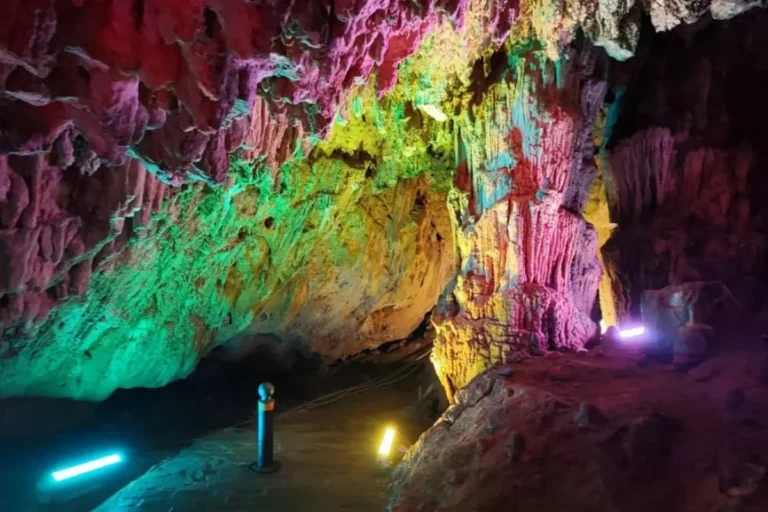
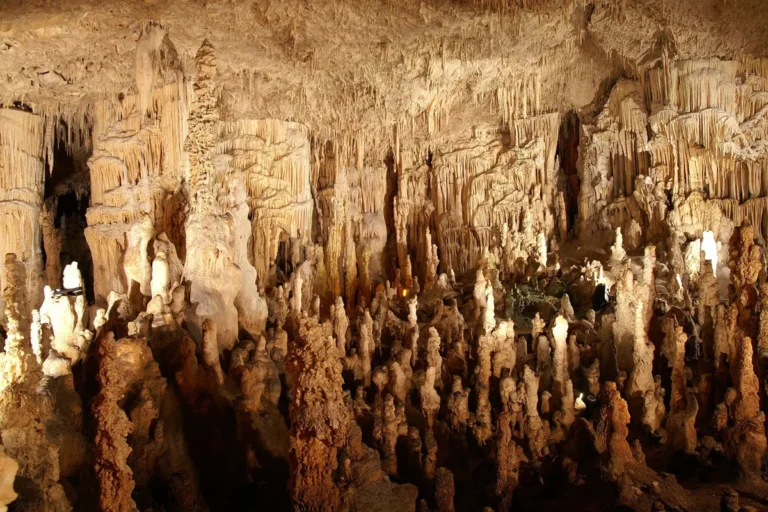
Its interior is characterized by rich stalactite and stalagmite decorations, with formations created over thousands of years. The cave’s chambers feature a variety of colors and geological formations, offering a unique exploration experience.
The tour follows an organized route, making the cave accessible and safe for visitors of all ages. At the same time, the lighting has been designed to highlight the natural beauty of the space without altering its character.
The Perama Cave perfectly complements the experience of visiting Ioannina, offering a different perspective of the area through its natural wealth.

Archaeological Museum of Ioannina

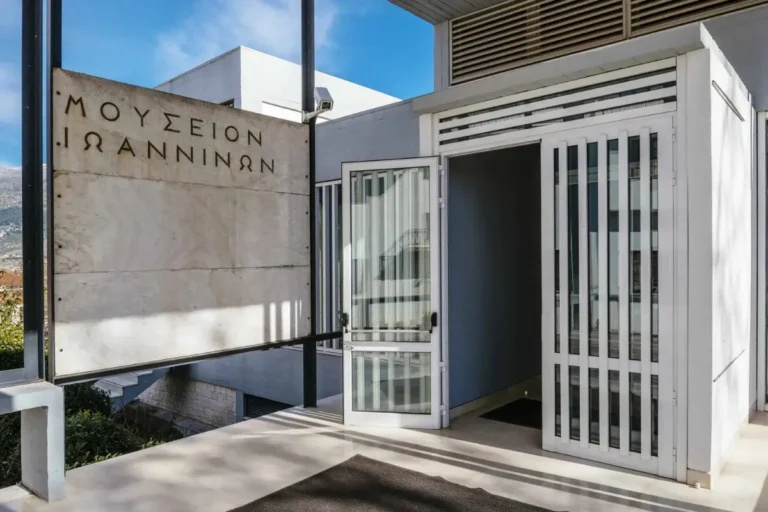
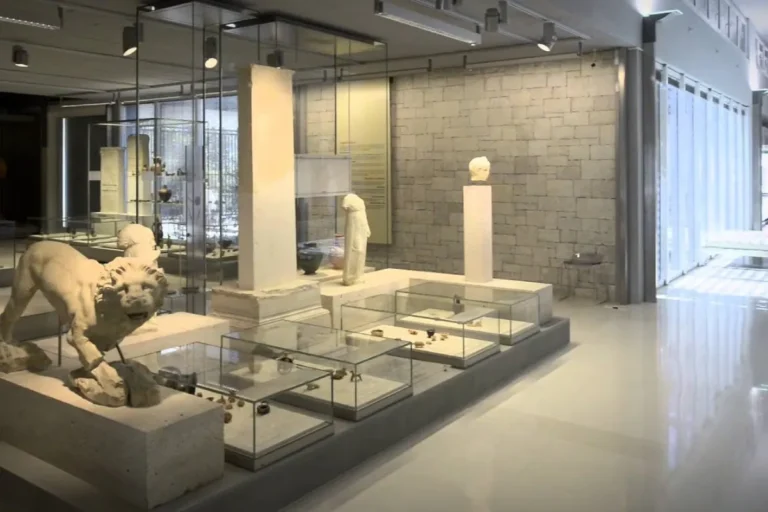
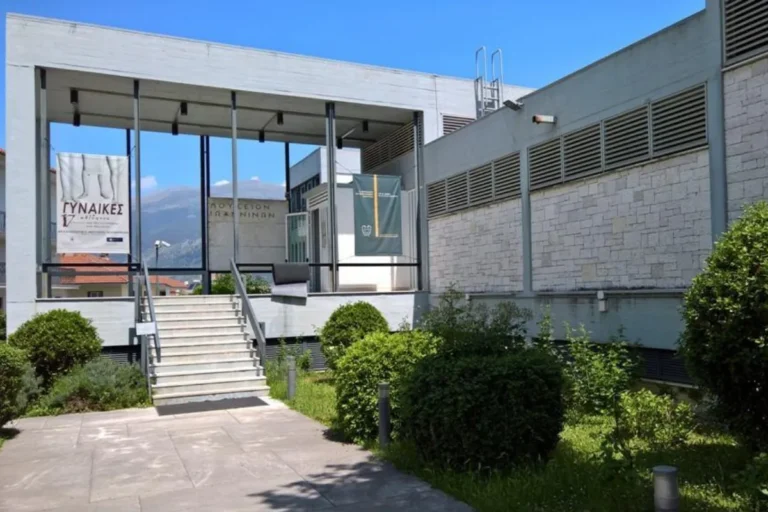
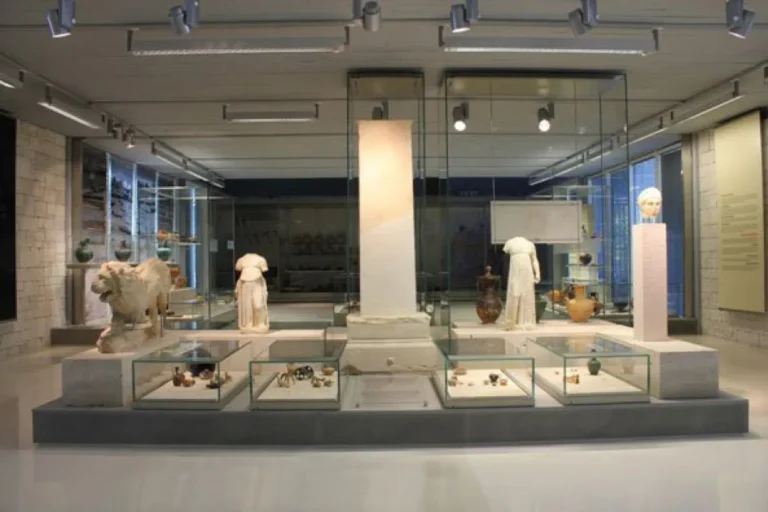
The Archaeological Museum of Ioannina is a key reference point for understanding the history of Epirus from prehistoric to Roman times. It is housed in a modern building and has a permanent exhibition organized chronologically and thematically, which helps visitors follow the region’s development over time.
The exhibits come from important archaeological sites in Epirus, with particular emphasis on the Oracle of Dodona. They present information about the religion, political organization, economic activity, and daily life of the ancient inhabitants.
The museum offers a comprehensive introduction to the ancient world of Epirus and complements a visit to the archaeological sites in the region.

Opening hours:
Daily 08:30 – 16:00
Closed: Tuesdays & public holidays

Admission:
Admission with ticket
Standard: €6
Concessions: €3

Byzantine Museum of Ioannina

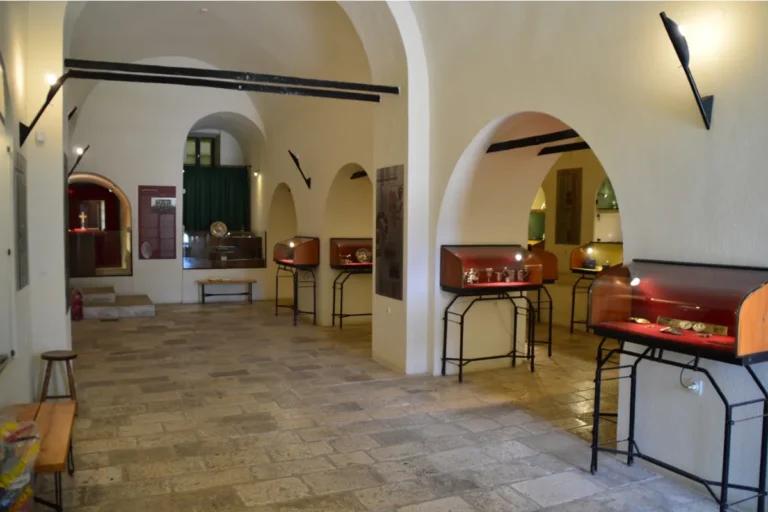
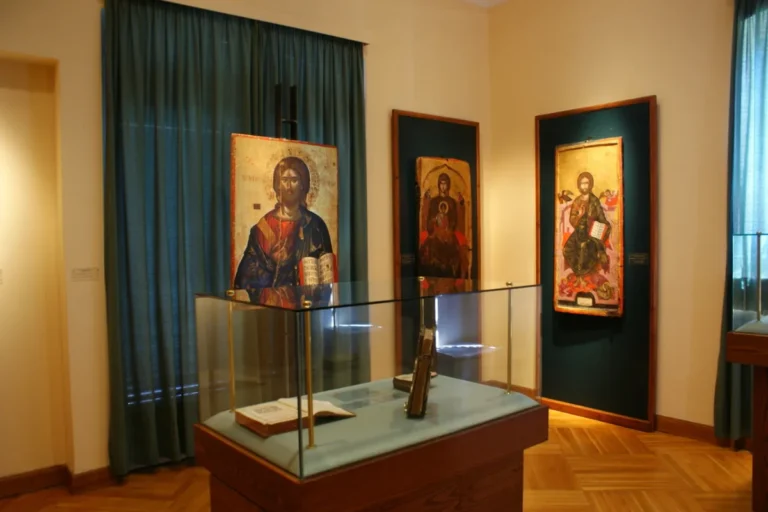
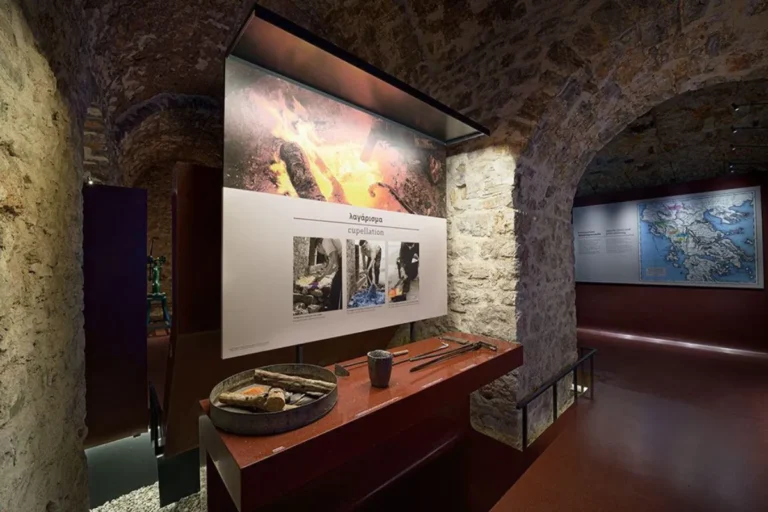
The Byzantine Museum of Ioannina is located inside the Castle and housed in a historic building, enhancing the experiential aspect of the visit. Its collection covers the Byzantine and post-Byzantine periods, highlighting the role of Ioannina as an important administrative and spiritual center.
The exhibits include icons, sculptures, manuscripts, coins, and ecclesiastical art objects, which reflect the artistic and religious life of the era. Particular emphasis is given to the continuation of the Byzantine tradition in modern history.
The museum is an ideal stop for understanding the medieval history of the city and its cultural continuity.
Opening hours:
Daily 08:00 – 15:30
Closed: Tuesday

Admission:
Admission with ticket
Standard: €5
Reduced: €3

Museum of Silversmithing

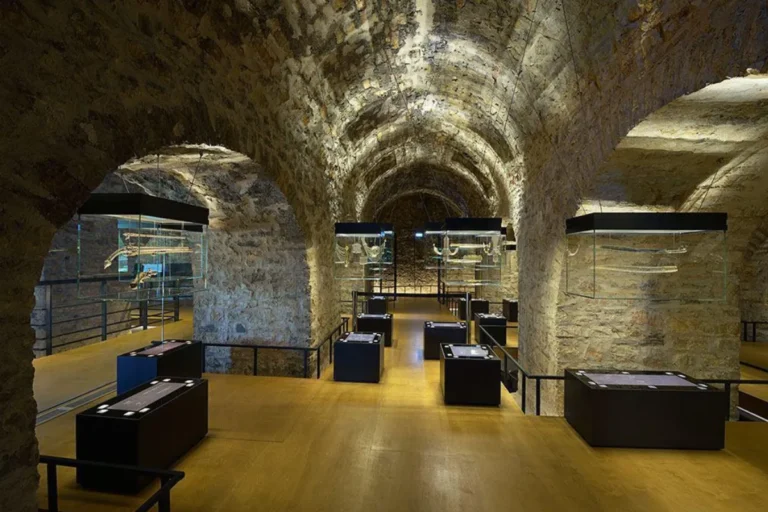
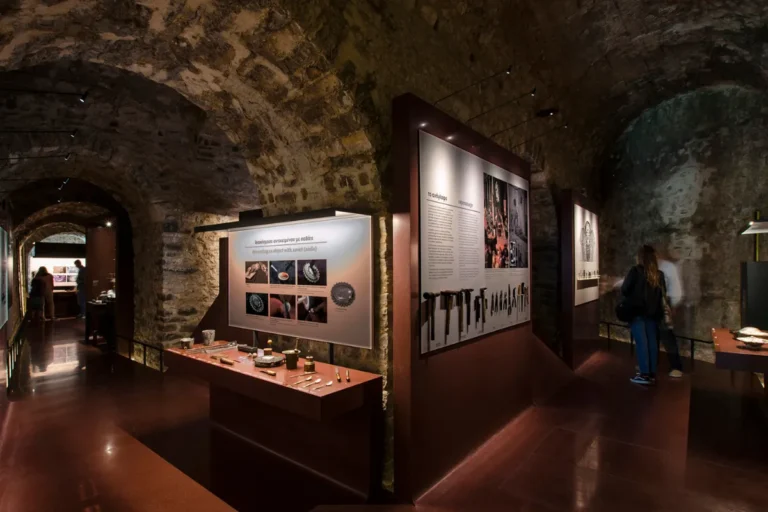
The Ioannina Silversmithing Museum is dedicated to the history and evolution of silversmithing, an art form inextricably linked to the city’s identity. It is housed in the Castle and presents the history of silversmithing from the Byzantine era to contemporary creations.
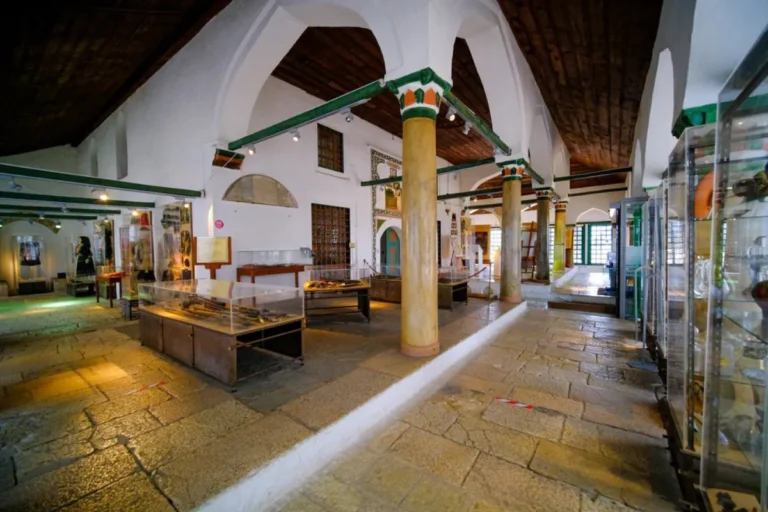
Through exhibits, tools, and artifacts, it highlights silverworking techniques, the organization of workshops, and the social role of craftsmen. The museum sheds light on both the artistic and economic dimensions of the art.
It is a modern museum space that connects tradition with the present and highlights the continuing importance of silversmithing in Ioannina.

Opening hours:
March 1 – October 15: 10:00 a.m. – 6:00 p.m.
October 16 – February 28: 10:00 a.m. – 5:00 p.m.
Closed: Tuesdays & public holidays

Admission:
Admission with ticket
Regular: €4
Reduced: €2

Museum of Epirus Studies

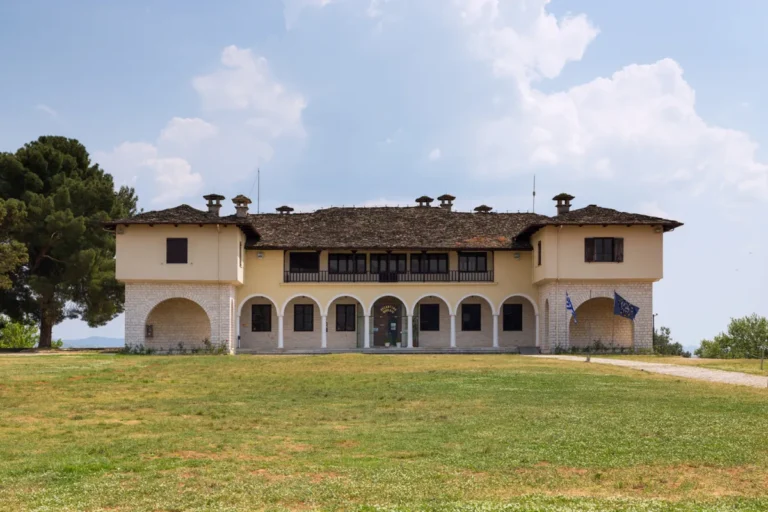
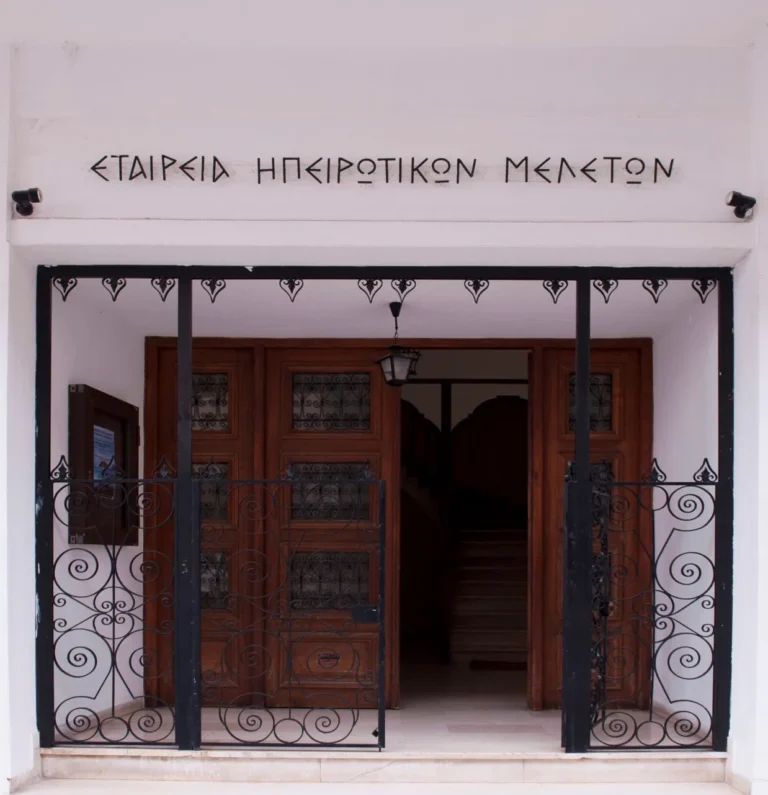
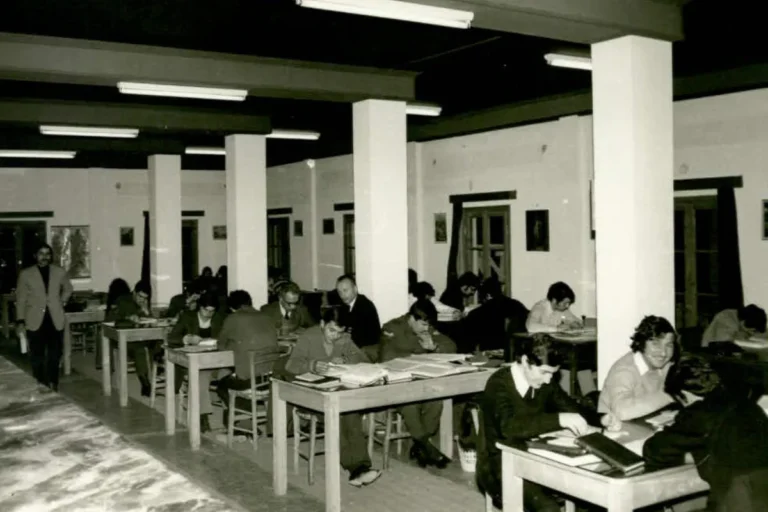
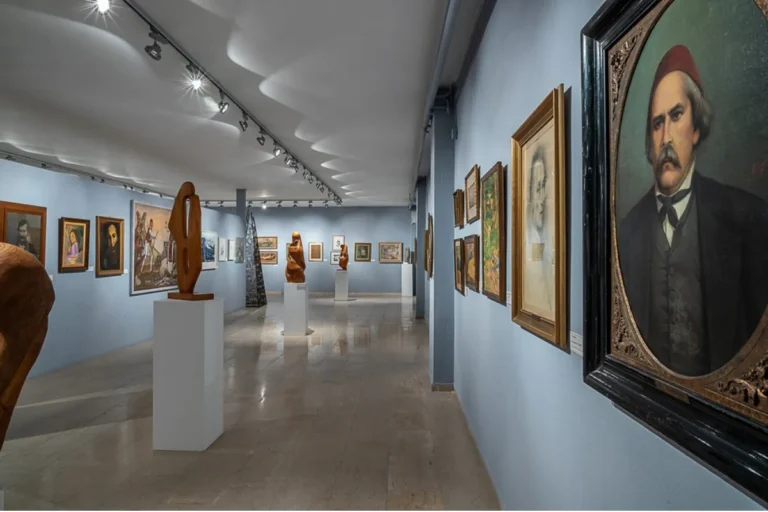
The Museum of Epirus Studies is housed in the historic building of the Zosimaia Pedagogical Academy and is a multi-thematic cultural space dedicated to Epirus. Its collections cover archaeology, folklore, modern history, and the intellectual life of the region.
Visitors come into contact with objects that reflect the daily life, traditions, and social organization of mainland society. Particular emphasis is given to modern history and Epirus’ contribution to the formation of the modern Greek state.
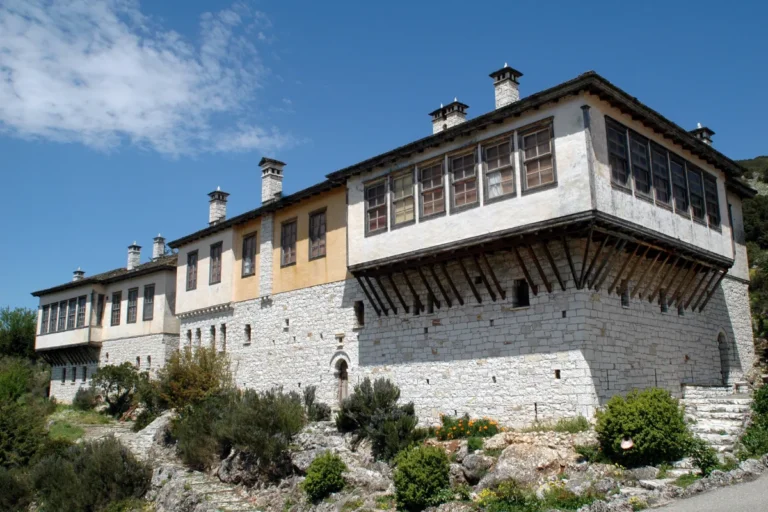
The museum functions as a space for knowledge and documentation, offering a comprehensive picture of the region’s identity.
Opening hours:
Monday – Friday: 08:00 – 15:00
Weekends: according to schedule/events

Admission:
Free admission

Municipal Folklore Museum of Ioannina

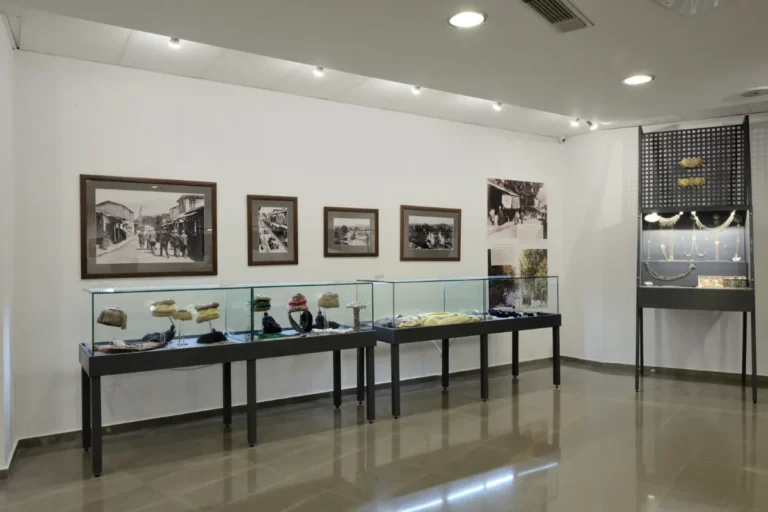
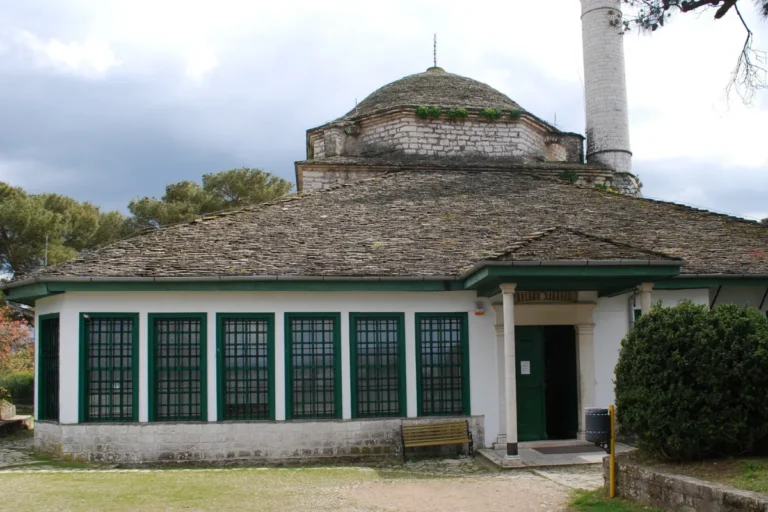
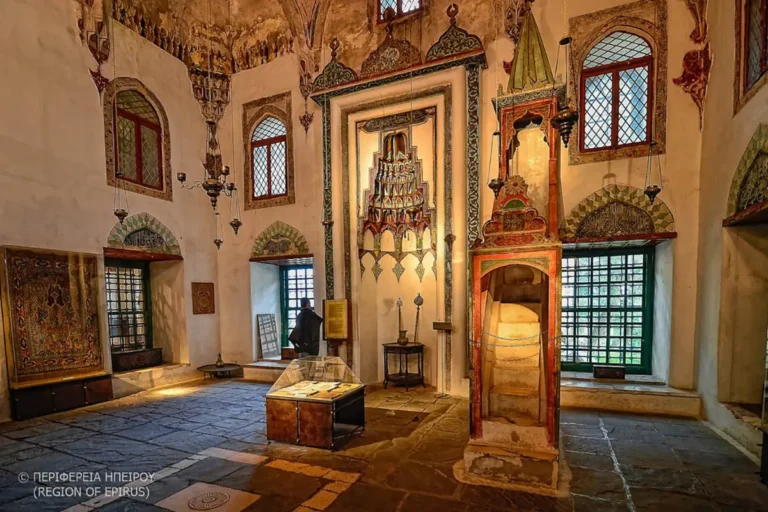
The Municipal Folklore Museum of Ioannina, also known as Aslan Pasha Mosque, is located in the center of Ioannina and focuses on the social and cultural history of the city. The exhibition presents the coexistence of Christian, Muslim, and Jewish communities, a feature that has historically characterized Ioannina.
Through objects, costumes, and artifacts, it highlights the daily life, customs, and religious practices of the inhabitants. The museum offers a human-centered approach to history, focusing on social structure and cultural diversity.
It is a key point for understanding the multicultural character of the city.

Opening hours:
Daily 08:00 – 15:00
(Subject to change on weekends)

Admission:
Admission with ticket
General admission: approximately €2

Pavlos Vrellis Museum of Greek History

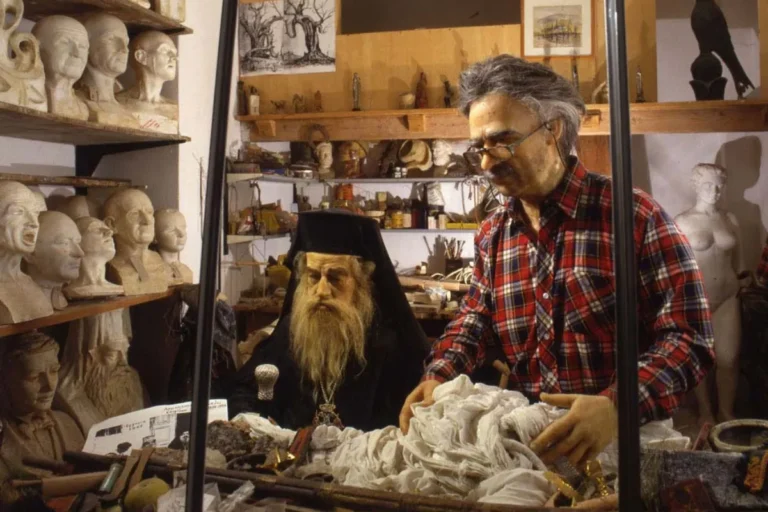
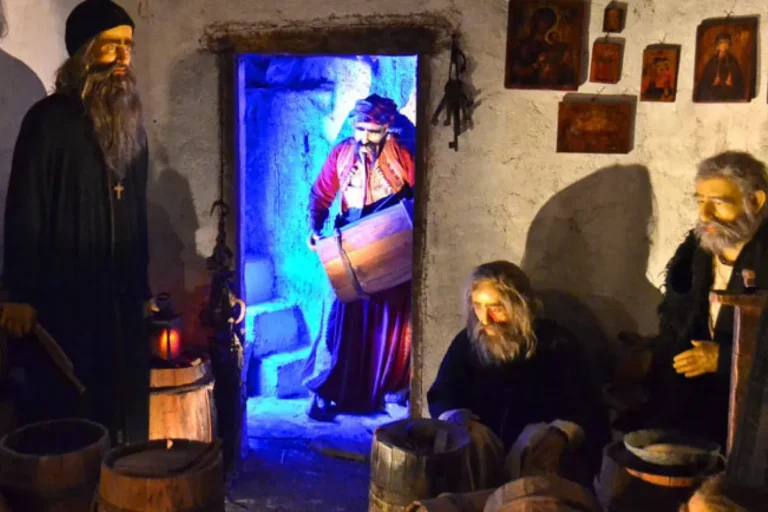
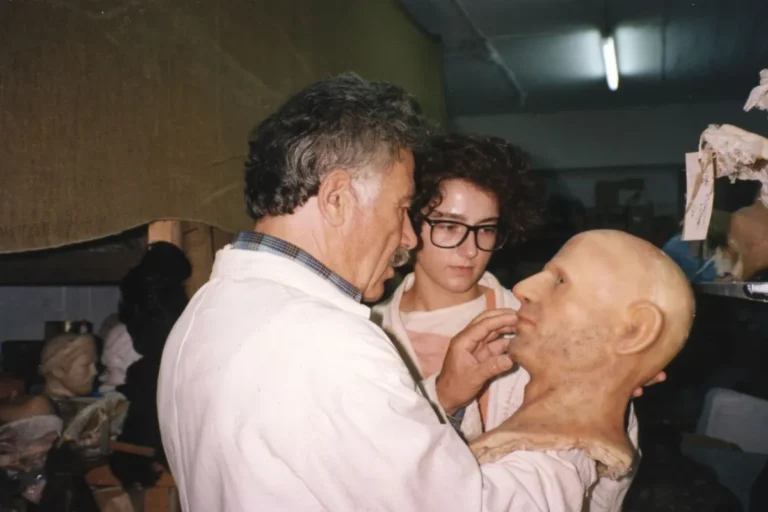
A few kilometers outside Ioannina, the Pavlos Vrellis Museum of Greek History is not just an exhibition space; it is an experiential journey through time. Through impressive wax figures, handmade sets, and low lighting that enhances the drama, visitors literally walk through the most defining moments of modern Greek history.
The museum unfolds like a theatrical narrative: from the Ottoman occupation and the Revolution of 1821 to the Secret School, the heroes, the fighters, and the everyday life of another era. Each scene has been designed with meticulous detail and historical accuracy, capturing not only the events but also the emotion—the silence before the uprising, the intensity of the battle, the dignity of the resistance.
The experience is ideal for visitors of all ages, families, schools, and travelers looking for something more than a typical visit. Here, history is not read; it is narrated, illuminated, and remembered. A landmark for cultural tourism in the region and a stop that is worth including in any comprehensive travel plan in Ioannina.

Opening hours:
Daily 10:00 a.m. – 4:00 p.m.
Open on Sundays and public holidays

Admission:
Admission with ticket
Standard: €7
Students: €4
Groups: €5
Children and seniors over 65: reduced

See more

Scroll to Top