The History of Konitsa

Konitsa is one of the most significant mountainous regions of Epirus, with a history closely tied to the Pindus mountain passes, its border location, and its connection to trade, livestock farming, and population movements. The region developed in an area where mountains, rivers, and mountain passes shaped not only its geography but also its economic and social trajectory. Its current profile was shaped by the coexistence of diverse communities, the artisanal traditions of its villages, and continuous interaction with the northern Pindus Mountains and the Balkans.

Konitsa was liberated in February 1913, and following the population exchange of 1925, many Muslim families left the area, and refugees from Cappadocia settled in their place. These historical changes left a strong imprint on the character of the town and the wider region, which to this day retains elements from different historical phases, from the Byzantine and post-Byzantine periods to Ottoman and modern Greek history. Konitsa is a place where history is not confined to archives but is visibly imprinted on the settlement, the bridges, the monasteries, and the old buildings.

The Benefactors of Konitsa

Konitsa is not typically associated with the same “classic” list of national benefactors found in other regions of Epirus, yet its historical identity is also closely tied to the concepts of generosity and community support. The Municipality of Konitsa itself maintains an archive and a public record-keeping process for the municipality’s benefactors and donors, recognizing that many communities in the region relied on donations, bequests, and initiatives by people who supported their local area through public-benefit projects.

The communities of the Mastorochoria, such as Pyrsogianni and Vourbiani, also hold a special place in the region’s history; their residents traveled in groups throughout Greece and beyond its borders, bringing expertise, wealth, and prestige back to their homeland. Through this journey, Konitsa became connected not only to donors in the narrow sense, but also to a broader tradition of creativity, social contribution, and support for local life.

Local Products of Konitsa

Konitsa’s culinary identity is shaped by the region’s mountainous terrain, livestock farming, small-scale agriculture, and the long-standing connection between the locals and the land and mountains. In the wider region, one can find traditional products such as tsipouro, wine, trahana, spoon sweets, and other goods produced at home or by cooperatives, all of which are linked to the villages and communities of the area.

For example, in Molyvdoskepasti, the local cooperative produces exactly such products, clearly demonstrating how local production remains a vital part of daily life and the region’s identity.

At the same time, Konitsa is also renowned for certain agricultural products that are more closely associated with the local market and the collective memory of Epirus, such as the Konitsa melon, which has been documented in the municipality’s development documents as a traditional product of the region with particular recognition. Together with the cheeses, meats, pies, and flavors of Epirus cuisine, all of these elements come together to form an authentic culinary experience deeply rooted in the local landscape

Churches and Monasteries in Konitsa

The Konitsa region boasts a rich religious heritage, with monuments dating back to the Byzantine and post-Byzantine periods and a strong presence of monasteries and churches throughout the area. The municipality itself notes that Konitsa is home to numerous religious monuments, many of which are outstanding examples of the artistry of the region’s master stonemasons. This religious tradition is not merely a supplementary element of the region, but a fundamental part of its cultural and historical identity.

Among the most significant religious sites is the Monastery of Molyvdoskepasti, which the Municipality dates to the 7th century AD and which retains a strong fortress-like character, a Byzantine katholikon, and remarkable frescoes dating from the 13th to the 18th century. The historic Monastery of Panagia Stomou, built in the Aoos Gorge, also holds a special place; it was here that Elder Paisios lived as a monk, a connection that has lent the area particular spiritual significance. Also noteworthy are the monasteries of Zerma, Molista, Kavasila, and Panagia Kladormi, while within the town of Konitsa, the Holy Church of Saint Kosmas of Aetolia and the Chapel of the New Martyr George are noteworthy.

Museums and Cultural Attractions

Konitsa offers cultural attractions that help visitors discover the region beyond its natural beauty. In the town itself, the Konitsa Cultural Center and the photography exhibition housed in the old Muslim school near the Suleiman Mosque offer a first glimpse into the history and monuments of the area. At the same time, the presence of old mansions and buildings, such as the Klearchos Papadiamantis House, enriches the route through the city and reveals an architectural continuity that connects different eras of its history.

In the wider area, the Ethnological Museum of Epirus Master Craftsmen in Pyrsogianni is of particular importance; housed in the village’s old school, which highlights the history of the renowned Epirus stone masons and adds valuable cultural depth to the tribute to Konitsa. Equally distinctive is the Natural History Museum in Bourazani, which connects the region with its natural environment and biodiversity. All of this demonstrates that Konitsa is not merely a destination of mountains and rivers, but also a place with a substantial cultural identity, where nature, history, and memory coexist in harmony.

Architecture and Cultural Identity

One of the most distinctive features of Konitsa is its close connection to the tradition of stone masonry. The villages of the region, and especially the well-known “Mastorochoria” (stonemason villages), were home to renowned craftsmen who built bridges, houses, schools, churches, and public buildings of great aesthetic and technical value.

The architecture of Konitsa and the surrounding villages is not merely beautiful; it is a bearer of history, technical knowledge, and local pride. In Pano Konitsa and in villages such as Ganadio, which have been designated traditional settlements, as well as in the craftsmen’s villages of the region, visitors encounter a sense of unity that seems organically intertwined with the mountain. It is precisely this sense of cohesion that gives Konitsa an authentic and multifaceted character.

Sights of Konitsa

Ποταμός Αώος

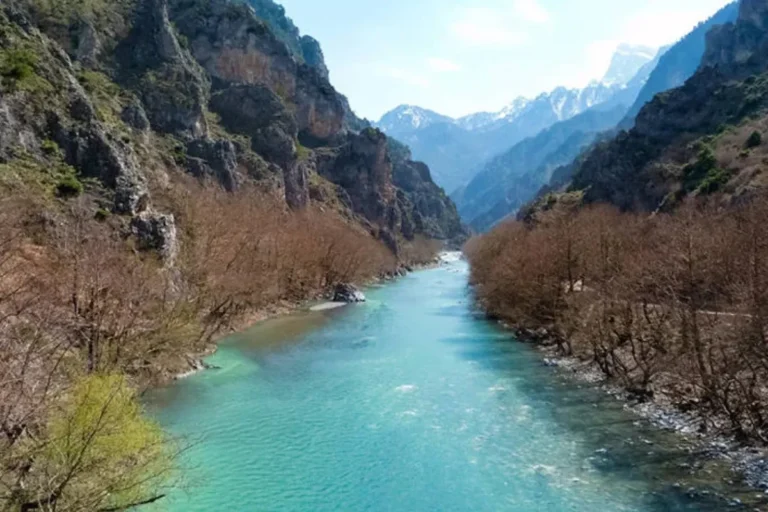
Ο Αώος είναι ένας από τους πιο σημαντικούς ποταμούς της Ηπείρου και αποτελεί βασικό στοιχείο της φυσικής ταυτότητας της Κόνιτσας. Οι πηγές του βρίσκονται στην οροσειρά της Πίνδου και η πορεία του διασχίζει εντυπωσιακά ορεινά τοπία, χαράδρες και περιοχές ιδιαίτερης περιβαλλοντικής αξίας. Το γεγονός ότι συγκαταλέγεται στα ελάχιστα ελεύθερα ποτάμια της Ευρώπης προσδίδει ακόμη μεγαλύτερη σημασία στο φυσικό του αποτύπωμα, ενώ η σύνδεσή του με την Κόνιτσα τον καθιστά έναν από τους βασικούς λόγους για τους οποίους η περιοχή έχει τόσο ισχυρό χαρακτήρα για φυσιολάτρες και ταξιδιώτες της υπαίθρου.

Για τον επισκέπτη, ο Αώος δεν είναι μόνο ένα γεωγραφικό στοιχείο αλλά ένας άξονας εμπειριών. Η περιοχή γύρω του προσφέρεται για δραστηριότητες όπως rafting και kayaking, αλλά και για πιο ήπιες επαφές με τη φύση, μέσα από θέα, βόλτες και γνωριμία με το ορεινό τοπίο της βόρειας Ηπείρου.

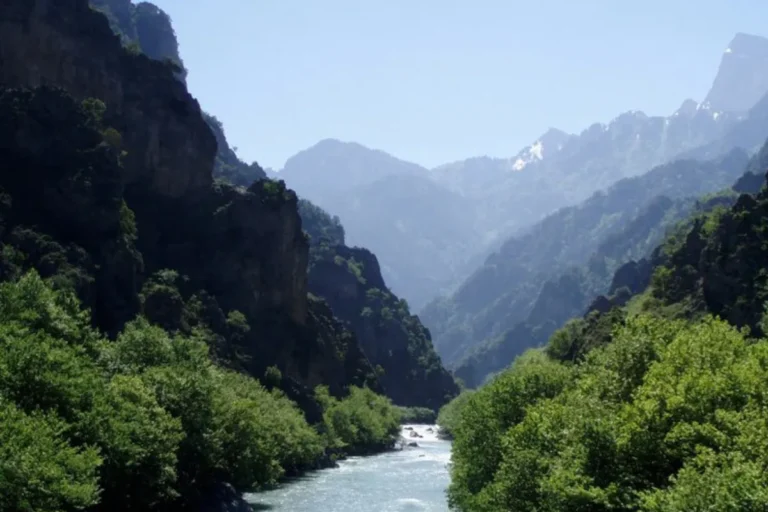
Το Φαράγγι του Αώου αποτελεί ένα από τα σημαντικότερα φυσικά τοπία της περιοχής της Κόνιτσας και ενισχύει τον επιβλητικό χαρακτήρα της βόρειας Πίνδου. Η σύνδεσή του με τον ποταμό Αώο, τα γύρω βουνά και το ευρύτερο φυσικό σύμπλεγμα της Κόνιτσας δημιουργεί ένα τοπίο μεγάλης έντασης και αισθητικής αξίας, ιδανικό για όσους αναζητούν την πιο δραματική πλευρά της ηπειρώτικης φύσης. Η περιοχή έχει αναπτυχθεί και ως πεδίο δραστηριοτήτων υπαίθρου, κάτι που ενισχύει ακόμη περισσότερο την ταυτότητά της ως προορισμού για εξερεύνηση και περιπέτεια.

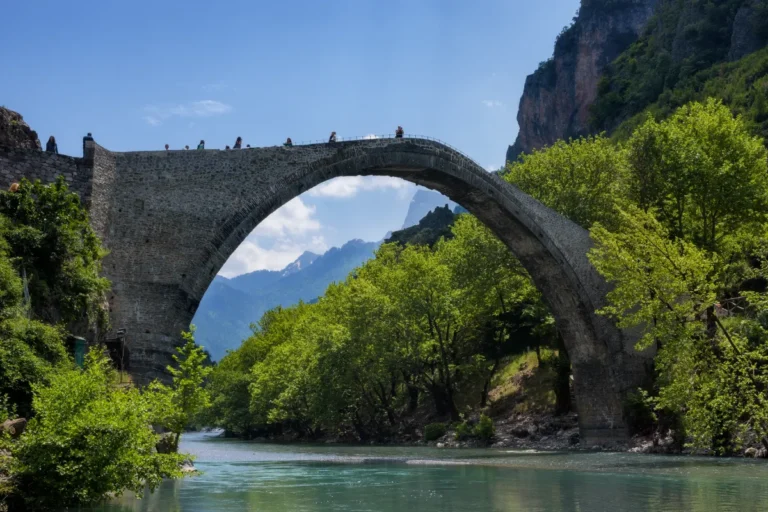
Το Γεφύρι της Κόνιτσας είναι ένα από τα πιο εντυπωσιακά και επιβλητικά πέτρινα γεφύρια της Ηπείρου και δεσπόζει πάνω από τον Αώο με τρόπο σχεδόν μνημειακό. Χτισμένο τον 19ο αιώνα, σε ένα σημείο όπου το φυσικό τοπίο αποκτά ιδιαίτερη δραματικότητα, αποτέλεσε κομβικό πέρασμα για την περιοχή και σήμερα παραμένει ένα από τα σημαντικότερα αξιοθέατα της Κόνιτσας.

Η εικόνα του γεφυριού, με φόντο το ορεινό ανάγλυφο και την είσοδο προς τον Εθνικό Δρυμό Βίκου–Αώου, χαρίζει στον επισκέπτη μια από τις πιο αυθεντικές εμπειρίες της ηπειρώτικης φύσης. Δεν είναι μόνο η αρχιτεκτονική του που εντυπωσιάζει, αλλά και η αίσθηση ότι στέκεσαι σε ένα σημείο όπου ο χρόνος κυλά πιο αργά και η ιστορία παραμένει παρούσα σε κάθε πέτρα.

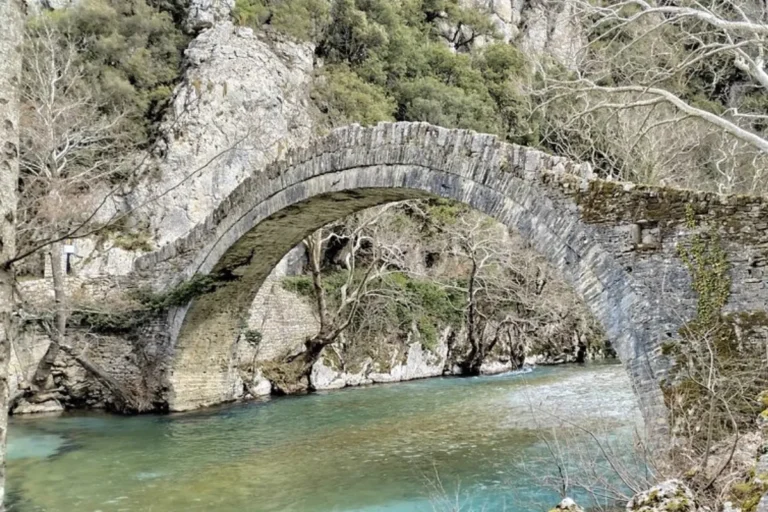
Η γέφυρα της Κλειδωνιάς είναι στενά συνδεδεμένη με τον Βοϊδομάτη και με μία από τις πιο ξεχωριστές φυσικές εμπειρίες που μπορεί να ζήσει κανείς στην Ήπειρο. Η τοποθεσία της, μέσα σε ένα περιβάλλον σπάνιας καθαρότητας και έντονης φυσικής ομορφιάς, την καθιστά κάτι περισσότερο από ένα πέρασμα: είναι σημείο συνάντησης της παραδοσιακής αρχιτεκτονικής με τη ζωντανή ενέργεια του ποταμού.

Η περιοχή γύρω από τη γέφυρα προσελκύει επισκέπτες που αγαπούν τη φύση, τη δραστηριότητα και την αυθεντικότητα, ενώ το ίδιο το γεφύρι προσθέτει μια αίσθηση ιστορικής συνέχειας σε ένα τοπίο που παραμένει ζωντανό και δυναμικό. Είναι από εκείνα τα μέρη όπου η Ήπειρος δείχνει με φυσικό τρόπο πόσο αρμονικά μπορεί να συνυπάρχει το ανθρώπινο έργο με τη δύναμη του τοπίου.

See more

Nach oben scrollen