The History of Tzoumerka

Tzoumerka is one of the most authentic mountainous regions of Epirus and the southern Pindus, with a history closely linked to its geomorphology, isolation, livestock farming, local craftsmanship, and the residents’ participation in major historical struggles. The region itself is described by official sources as a place steeped in history, with a strong presence during the Revolution of 1821, as well as in the events of World War II and the Civil War. Mountain passes, rivers, ravines, and stone villages have shaped a world where daily life was built on resilience, community cohesion, and a strong connection to the landscape.

The historical identity of Tzoumerka is also reflected in its settlements themselves. Villages such as Syrrako and Kalarrites experienced a period of great prosperity, particularly in the 18th and 19th centuries, thanks to commercial activities, livestock farming, and specialized crafts such as silversmithing. In Syrrako, the village’s former economic prosperity was linked to merchants, tailors, and livestock farmers who distinguished themselves in the Mediterranean markets, while the village’s architectural character still clearly preserves this past. Thus, Tzoumerka is not merely a natural destination; it is a place where the mountains and history coexist in a constant dialogue.

The Benefactors of Tzoumerka

Unlike regions such as Metsovo, Tzoumerka is not typically portrayed through a single, very specific “canon” of national benefactors. However, the region is strongly associated with communities that developed commercial, technical, and social power and left a significant mark on their homeland. Syrrako, for example, is associated with prominent figures such as Ioannis Kolettis, who was a member of the Philiki Etaireia and Prime Minister of Greece, as well as the poet Kostas Krystallis, while the village’s broader prosperity is attributed to merchants, livestock farmers, and artisans who brought honor to their homeland both within and outside Greece.

For Tzoumerka, the concept of contribution is expressed more through the local prosperity of the communities and through the tradition of artisans and creators than through a short list of major national donors. Silverwork flourished in Kalarrites and Syrrako, while the master craftsmen of Tzoumerka, from villages such as Pramanta, Melissourgoi, Ktistades, Raftaioi, and Michalitsi, created works of great value throughout Greece and the Balkans

Local Products of Tzoumerka

The culinary identity of Tzoumerka is closely linked to livestock farming, the mountainous environment, and the traditional way of life in the villages. The official culinary promotion of Epirus links the Athamanika Mountains region with cheese-making and the production of characteristic Epirus cheeses, such as feta, kefalograviera, and galotyri, as well as dairy products such as anthotyro and tsalafouti. At the same time, in the villages of Tzoumerka, one can find local meats, Epirus-style pies, traditional recipes, and spirits—elements that reflect the simple yet exceptionally flavorful essence of mountainous Epirus cuisine.

The local market and small-scale producers in the region still offer products such as traditional tsipouro, sweets, pastries, and small-batch items tied to the village and the seasons. Official tourism materials for Northern Tzoumerka clearly mention traditional tsipouro, local wines, fine meats, and regional recipes, while the broader Epirus cuisine places special emphasis on rural products and high-quality ingredients.

Churches and Monasteries in Tzoumerka

The religious heritage of the Tzoumerka region is one of the most significant aspects of its cultural identity. Official sources for the region note that there are significant churches and monasteries here, many of which are linked to the era of the Despotate of Epirus or to the post-Byzantine periods of the region’s history. The mountainous landscape of Tzoumerka, with its cliffs, gorges, and rugged slopes, has lent the religious monuments a unique sense of drama: many are built in striking locations, almost suspended above rivers and rocks. 

Among the most important monasteries, the Monastery of Kipina, near Kalarrites, stands out; it is built almost in the middle of a massive rock above the gorge of the Kalarritikos River. The Tsoukas Monastery, near Elliniko, also holds a special place, with a tradition of having been founded in the late 12th century and renovated in the 18th century. Other significant religious monuments in the area include the Vyliza Monastery between Kalarrites and Matsouki, the Mouhoustiou Plakas Monastery, and the Agia Paraskevi Pramanta Monastery, just outside Pramanta. All these monuments form a unity of faith, art, and historical memory that deserves a place of its own in any serious tribute to Tzoumerka.

Museums and Cultural Attractions

Tzoumerka is not just about nature and outdoor activities; it also boasts significant cultural sites that shed light on different aspects of local life. In Northern Tzoumerka, in Elliniko, lies the Theodoros Papagiannis Museum of Contemporary Art, dedicated to the renowned sculptor and his works, many of which utilize recycled materials and references to Epirus, its history, and human memory. This museum lends the region a strong contemporary cultural dimension and serves as a meeting point between art and landscape.

Meanwhile, in Central Tzoumerka, official sources mention the existence of Folklore Museums in Kypseli and Agnanta, which enhance the cultural image of the region and help visitors gain a deeper understanding of daily life, tools, customs, and local practices of the past. There is also a Folklore Museum in Syrrako, while the village itself, with its mansions, busts, library, and cohesive layout, is a cultural destination in its own right. Thus, Tzoumerka offers a cultural backdrop far richer than what visitors typically expect from a purely mountainous destination.

Architecture and Cultural Identity

One of the most distinctive features of Tzoumerka is its architectural coherence and its close connection to the art of stonework. Traditional settlements such as Syrrako, Kalarrites, Pramanta, Vourgareli, and other villages in the region reveal a settlement logic deeply adapted to the mountain terrain. Stone houses, slate roofs, cobblestone streets, stone bridges, and churches blend organically into the landscape, creating a world that seems to emerge from the hillside itself.

The tradition of master craftsmanship in Tzoumerka further reinforces this identity. The region’s artisans, particularly during the Ottoman period and for centuries thereafter, traveled in groups and created churches, bridges, fountains, and buildings of great aesthetic value. At the same time, silversmithing in Kalarrites and Syrrako complements the region’s cultural profile, adding a tradition of intricate craftsmanship to an otherwise rugged and imposing landscape.

Sights of Tzoumerka

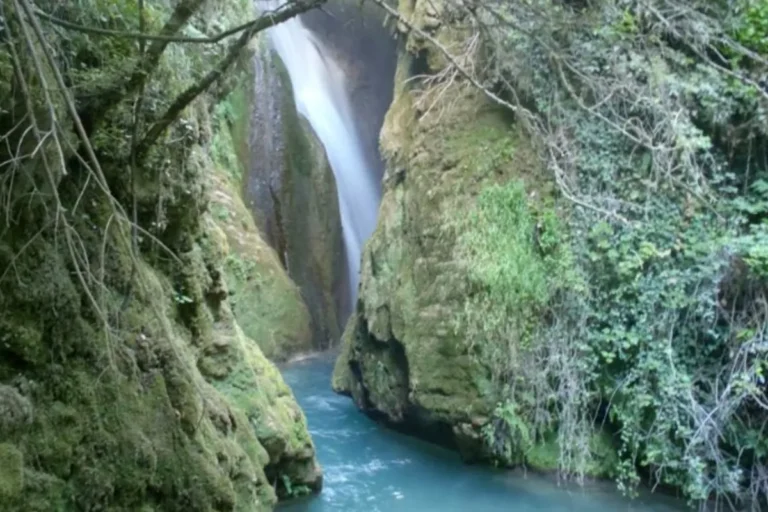
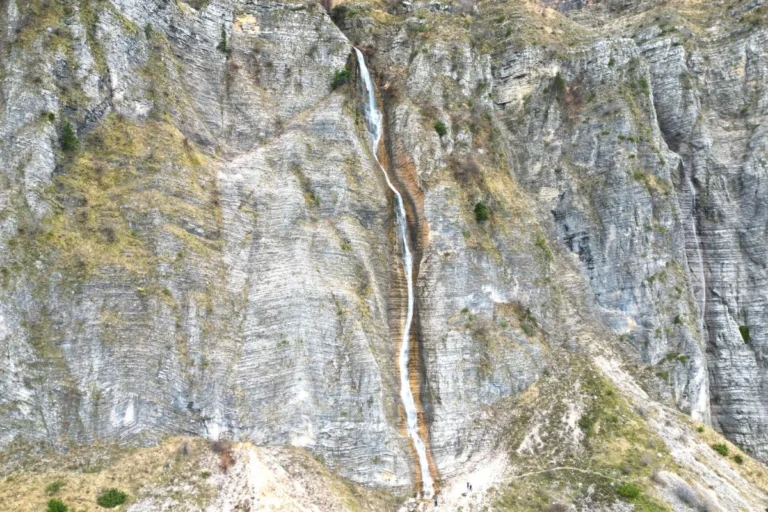
The Kefalovryso Waterfall is one of the most distinctive natural attractions in Tzoumerka and is directly connected to the Pramanta area. Access is via a hiking trail, which gives the experience a gentle, exploratory character and allows visitors to gradually discover the area’s natural environment. The combination of water, vegetation, and mountainous terrain creates a landscape that clearly captures the authentic nature of Tzoumerka: vibrant, refreshing, and deeply connected to the mountains.

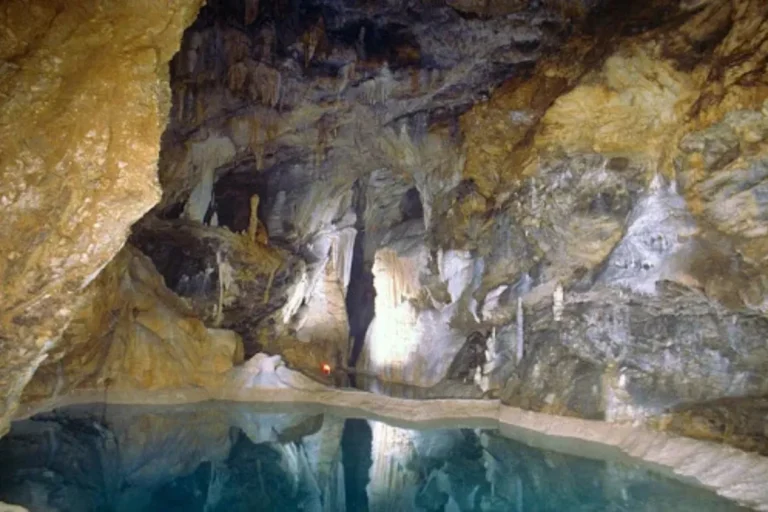
Anemotrypa Cave is located near Pramanta and is one of the most unique natural attractions in Northern Tzoumerka. It stands out not only for its geological features but also for the fact that inside there are three small lakes, along with colorful stalagmites and a striking underground environment. The cave significantly enriches the region’s landscape, adding a unique dimension to the natural experience of Tzoumerka, beyond the mountains, rivers, and gorges.

For visitors, Anemotrypa is a unique destination that combines natural interest, aesthetic appeal, and a sense of discovery. In a well-structured travel guide, it can be presented as one of the region’s most unique natural destinations, ideal for those who want to see something in Tzoumerka beyond the classic mountain landscape. It is a spot that adds depth and variety to any feature on the nature of Epirus.

The Arachthos and Kalarrytikos Gorges

The Arachthos and Kalarrytikos gorges are two of the most significant natural features of Tzoumerka and are connected to the wider region of Pramanta and the surrounding mountain villages. The landscape here is dramatic, featuring cliffs, river crossings, and dynamic geomorphology—elements that enhance the region’s adventurous character. At the same time, the presence of these gorges has contributed to the development of activities such as rafting, canyoning, kayaking, and other outdoor experiences that give Tzoumerka a special place among Greece’s mountain destinations.

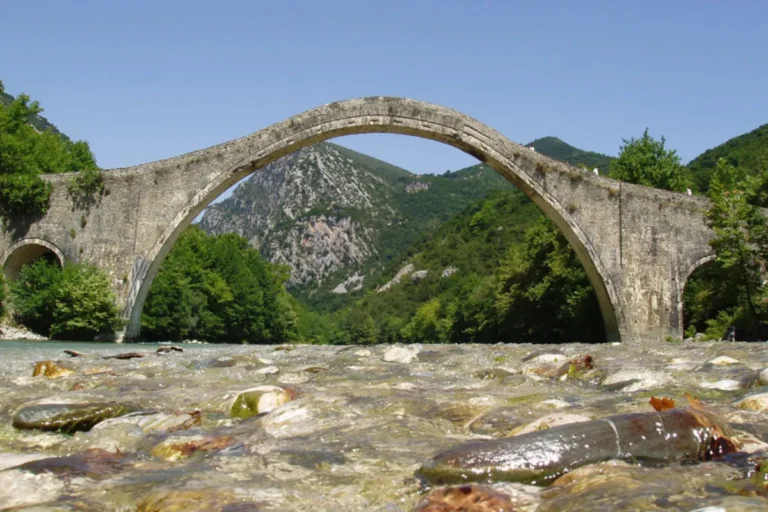
Plakas Bridge is one of the most significant monuments of Epirus architecture and one of the most recognizable landmarks of the Tzoumerka region. Built over the Arachthos River, it served for many years as a vital passage connecting entire regions of Epirus, while its imposing single-arch structure has ranked it among the most impressive stone bridges in the Balkans.

Today, it is not merely an engineering feat of the past, but a living symbol of history, resilience, and humanity’s relationship with the wild natural landscape of Tzoumerka. Its presence within the gorge, combined with the power of the river and the dramatic landscape, creates an experience that remains deeply etched in the memory of every visitor.

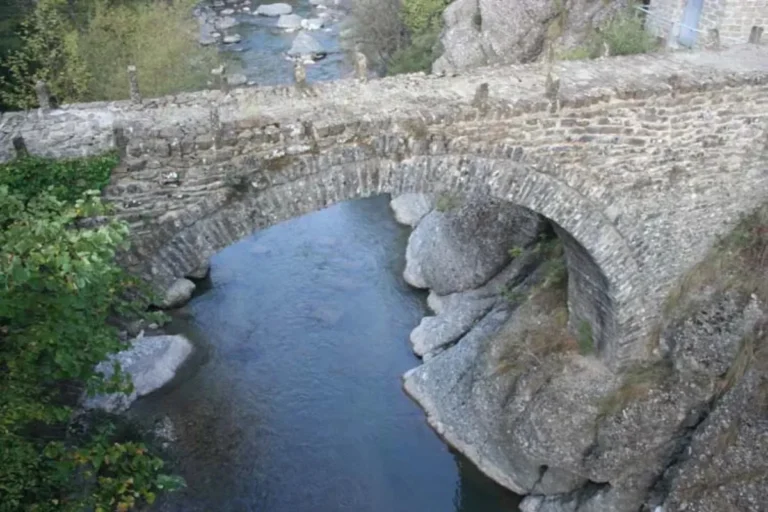
The Sygounas Bridge is one of the beautiful traditional bridges of Tzoumerka and is closely linked to the daily life and travel of the region’s inhabitants in times past. Built in an authentic and distinctly Epirus landscape, it highlights the simple wisdom of stone and the craftsmanship of the master builders who knew how to integrate their works into the natural environment without excess. 

It impresses not so much with its scale as with its character; it seems to be an organic part of the land that surrounds it. For visitors, this bridge offers a quieter and more authentic connection with Tzoumerka, far from the hustle and bustle of the more famous attractions but just as meaningful.

See more

Scroll to Top