The History of Zagorochoria
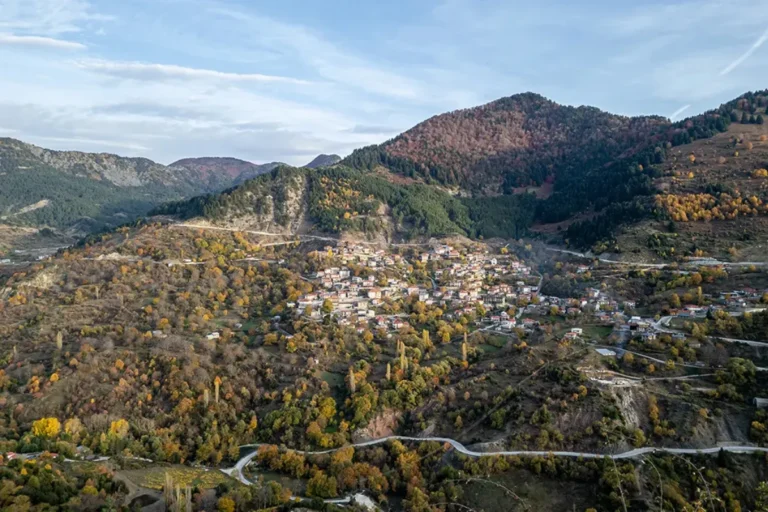
The Zagorohoria villages are one of the most distinctive historical and cultural areas in Epirus. Spread across the western slopes of the Pindos Mountains, the 46 villages of Zagori gradually formed a network of settlements closely linked to the mountainous landscape, livestock farming, trade, and the movements of their inhabitants to large urban and commercial centers abroad. The development of the region was particularly enhanced during the 18th and 19th centuries, when the economic prosperity of the Zagori diaspora returned to the area in the form of donations, schools, bridges, cobbled streets, churches, and public works. This shaped a residential and social fabric that remains unique in the Greek countryside to this day.
The history of Zagori is not only reflected in events, but mainly in the way people coexisted with the mountain. The stone houses, bridges, paths, stairs, and small squares with plane trees are not just picturesque elements; they are the result of an organized society that learned to live, create, and adapt to a demanding natural environment. It is precisely this interaction between man and landscape that gives the Zagorohoria their special character and explains why they are now considered one of the most important cultural landscapes in Greece.

The Benefactors of Zagorochoria
The history of the Zagorohoria villages is inextricably linked to the actions of benefactors and the Zagori diaspora. Many residents of Zagori migrated to commercial centers such as Constantinople, Odessa, Moscow, Alexandria, Bucharest, and Trieste, where they acquired property and returned to their homeland through significant donations. Thanks to them, schools, libraries, fountains, bridges, cobblestone streets, churches, and monasteries were built, giving the villages of Zagori a sense of organization, education, and community cohesion that is rare for a mountainous region.
Among the most important figures are the brothers Manthos and Georgios Rizaris from Monodendri, who left a strong mark on both Zagori and Greek education and ecclesiastical life in general. Also important are the brothers Paschalis, who are associated with the Paschalis School in Kapesovo, one of the most characteristic educational institutions in the region. Overall, in Zagori, the concept of the benefactor is not a regional detail but a fundamental pillar of its historical identity, as much of its current character was built precisely on this relationship between the place and its people beyond its borders.
Local Products of Zagorochoria
The culinary identity of Zagori is based on mountain life, livestock farming, and the products of the mainland’s nature. Among the most characteristic elements of the local cuisine are the famous Zagori pies, which are perhaps the most recognizable gastronomic symbol of the region. With thin pastry and fillings based on whatever each season has to offer, Zagori pies embody the logic of simple but inventive mountain cuisine. Cheeses, dairy products, meats, wild greens, and mushrooms, which are directly linked to the natural environment of the Pindos Mountains, also play an important role.
In addition to cooked dishes, the region is also famous for traditional products such as honey, spoon sweets, jams, chestnuts, walnuts, and other mountain produce. This gastronomic base is not only part of everyday local life but also an important element of the travel experience. Zagori offers visitors not only images and routes, but also a taste of authentic Epirus, closely linked to seasonality, simplicity, and the quality of raw materials.
Churches and Monasteries of Zagorochoria
The churches and monasteries of Zagori are an integral part of its cultural and architectural identity. Built mainly of stone and wood, they follow their own local architectural tradition and in many cases are older than the houses in the villages themselves. A characteristic feature of many churches is the large external porch with arches, which protected worshippers from the harsh winter weather. The religious monuments of Zagori function not only as places of worship, but also as bearers of historical memory, art, and local identity.
Among the most important religious sites in the area is the Monastery of Agia Paraskevi in Monodendri, one of the oldest monuments in Zagori, built in the late 14th or early 15th century, in an impressive location above the Vikos Gorge. Also of particular importance are the Monastery of Voutsa between Greveniti, Flabourari, and Doliani, the Rogovou Monastery near Tsepelovo, the Evangelistria Monastery in Ano Pedina, and Panagia Spiliotissa in the Voidomatis area near Aristi.
Museums and Cultural Attractions of Zagorochoria
Zagori has a remarkable cultural infrastructure, allowing visitors to gain a deeper understanding of the history, daily life, and spiritual traditions of the region. The Agapios Tolios Folklore Museum is located in Kipoi, with an extremely rich collection of approximately 40,000 exhibits from the daily life of the inhabitants of Zagori. In Elafotopos, there is the Museum of Traditional Professions, which showcases tools and techniques used in professions that shaped life in the Epirus countryside. Koukouli is home to the Lazaridis Natural History Museum, which is dedicated to the herbs and flora of the region, as well as the tradition of the famous doctors of Vikos.
At the same time, in Monodendri, the Rizareio Exhibition Center reinforces the contemporary cultural image of Zagori, while in Kapesovo, the Paschaleios School serves as an important monument to the educational history of the region. In Megalo Papigo, you will find the Anagnostopoulou Library, while in Tsepelovo there is a photography museum dedicated to the social and historical development of the inhabitants of Zagori. These sites prove that the Zagorohoria are not only a destination of natural beauty, but also a place with a rich cultural background, combining tradition, knowledge, and memory.
Architecture and Cultural Identity
One of the elements that make the Zagorohoria villages so special is their architectural coherence. Stone, wood, and slate dominate houses, churches, bridges, paths, and public spaces, creating a whole that seems perfectly integrated with the natural environment. The settlements are organized around squares with plane trees, while cobblestone streets and arched bridges have connected the communities for centuries. This architecture is not simply an aesthetic choice; it is the result of a deep adaptation of man to the mountainous landscape of the Pindos.
Today, this cultural identity is internationally recognized as a key element of Zagori’s value. The landscape, the settlements, the stone bridges, the stairways, and the paths do not function in isolation, but as a unified cultural system. In terms of tourism, this gives Zagori a strong advantage: it offers not only individual attractions, but an entire sustainable, recognizable, and authentic environment, where nature and human creation remain in rare balance.
Sights of Zagorochoria
- Zorika Lake
- Vikos Gorge
- Voidomatis River
- Drakolimni Lake, Tymfi
- Rogovou Pools
- Oxia Viewpoint
- Beloi Viewpoint
- Stone Forest
- Vradeto Stairway
- Kokkoros / Noutsos Bridge
- Plakida / Kalogeriko Bridge
- Misios Bridge
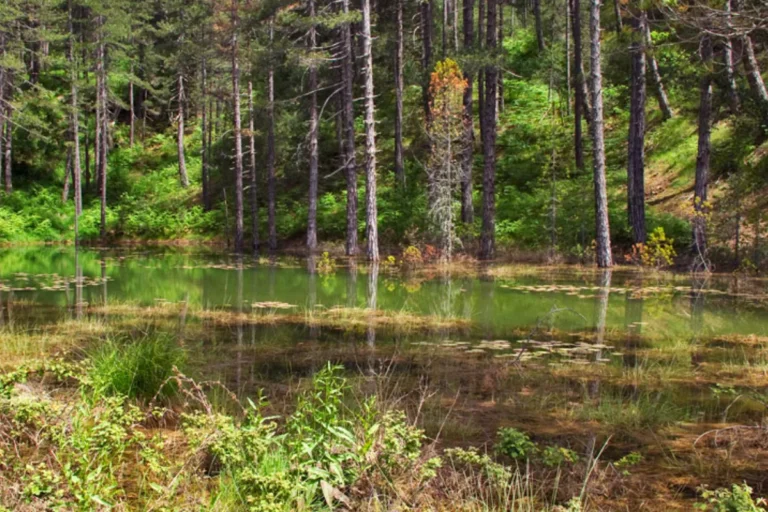
Lake Zorika is one of the most unique natural landscapes in Eastern Zagori and is known to many visitors as “the lake with the water lilies.” It is located in the wider area between Greveniti and Flabourari, in a quiet forest environment that further enhances its charm. It is not a large or imposing landscape in the classic sense, but a destination that stands out thanks to its atmosphere, the sense of calm it exudes, and its delicate natural beauty. In summer, when water lilies appear on its surface, the image takes on an even more distinctive character and gives the landscape an almost fairy-tale dimension.
Zorika is ideal for travelers looking for small, quiet stops in nature and not just the well-known and much-discussed sites of Epirus. It is a beautiful suggestion for those traveling in Eastern Zagori who want to discover a more peaceful and intimate side of the region. In a tourist guide, it could be presented as a hidden natural gem of the Zagorohoria, offering a different experience from the large gorges and more demanding hiking trails.
Anilio is one of the most famous villages around Metsovo and is directly linked to winter and mountain tourism in the area.
The Anilio Ski Center, located a short distance from the village, has made it an important destination for skiing, mountain activities, and getaways all year round.
At the same time, the natural environment and easy access via the Egnatia Highway further enhance its position as a base for exploring the wider area. Anilio retains its mountainous identity, offering visitors the feeling of a place that combines authenticity and activity.
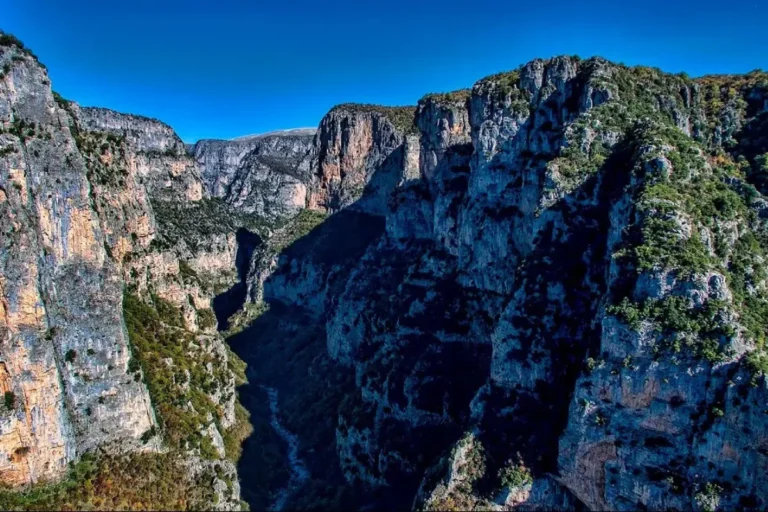
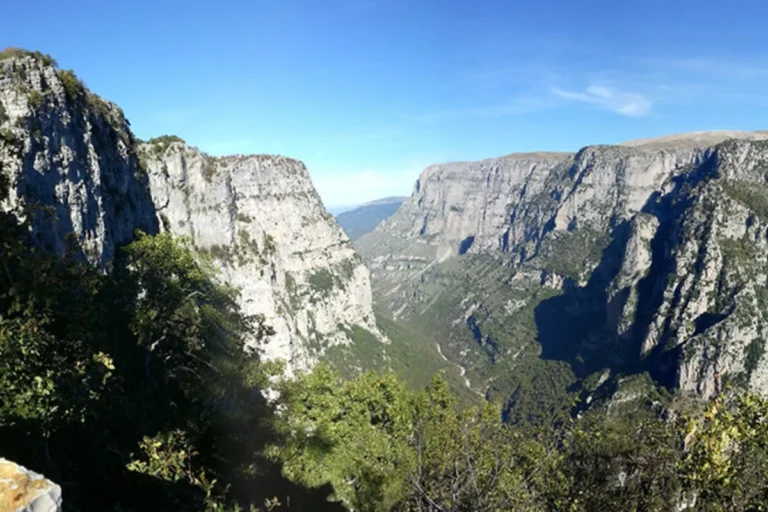
The Vikos Gorge is one of the most iconic natural attractions in Epirus and one of the most important landscapes in Zagori. This natural area stretches across the heart of the region and connects villages such as Monodendri, Vikos, Vradeto, and Papigo, which serve as key access and viewing points. The steep slopes, intense geomorphology, and sense of scale created by the landscape make the gorge one of the destinations that define the character of the entire Zagori region. At the same time, its integration into the wider natural environment of the region reinforces its importance not only as a tourist attraction but also as a key element of the identity of Epirus.
For visitors, the Vikos Gorge can serve many purposes: as a viewpoint, a hiking experience, a reason to explore the surrounding villages, or simply as a landscape that reminds us how imposing nature can be in mountainous Greece. In a tourist guide, it is worth presenting it as one of the top experiences in Zagori, a place where nature is not limited to a beautiful backdrop but becomes the main protagonist of the trip.
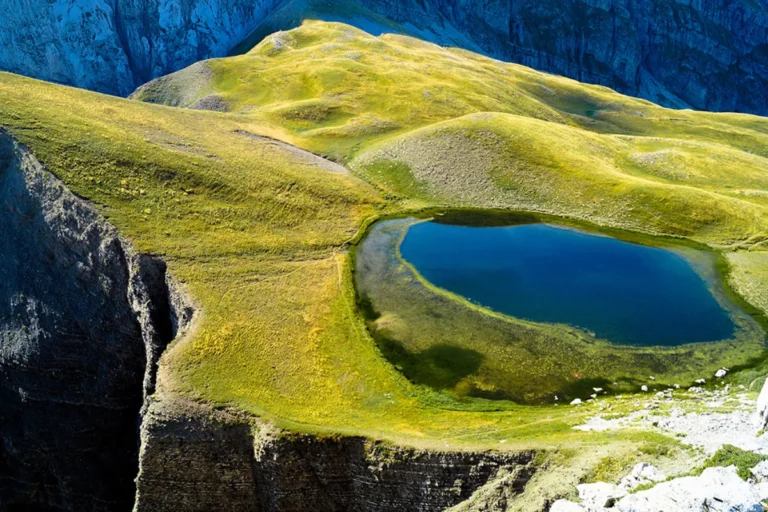
Drakolimni Lake in Tymfi is one of the most iconic alpine destinations in Epirus and belongs to the wildest, most mountainous side of Zagori. It is located in the Tymfi mountain range, at an altitude of about 2,050 meters, within the protected zone of northern Pindos, and the most popular route to reach it starts from Mikro Papigo, with a stop at the Astrakas refuge and then continues to the lake. Its location among the peaks, the feeling of isolation and the alpine landscape that surrounds it make it one of the most unique natural destinations in Greece.
Drakolimni is not just a beautiful point of interest, but a complete experience of climbing and contact with the mountain. It is mainly aimed at visitors who want to go hiking with a clear mountaineering character and want to experience the most authentic and imposing view of Zagori. In a tourist guide, it is worth presenting it as a top nature experience for those looking for something more challenging, but also as a spot that sums up the dramatic beauty of the Pindos.
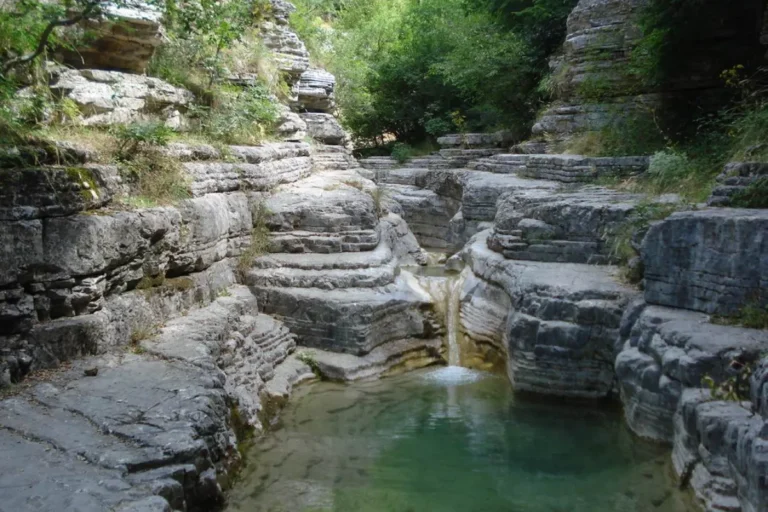
The Rogovou Pools, also known as the natural pools of Papigo, are one of the most unique natural landscapes in the Zagorohoria region. They are located between Megalo Papigo and Mikro Papigo, a short distance from the village, and are formed by the waters of the Rogovou stream, which for centuries have carved the limestone rocks, creating successive natural basins. The landscape combines clear water, stone, and dense vegetation, offering one of the most recognizable and photogenic images of Zagori.
For visitors, Rogovou Pools is an ideal stop for gentle hiking, coolness, and direct contact with the natural environment of Papigo. It is not just a beautiful spot for photos, but a place that clearly expresses Zagori’s relationship with water, stone, and its geological uniqueness. In a tourist guide, it is worth presenting it as one of the most characteristic natural destinations in the area and as an experience that combines simplicity, authenticity, and distinctive aesthetics.
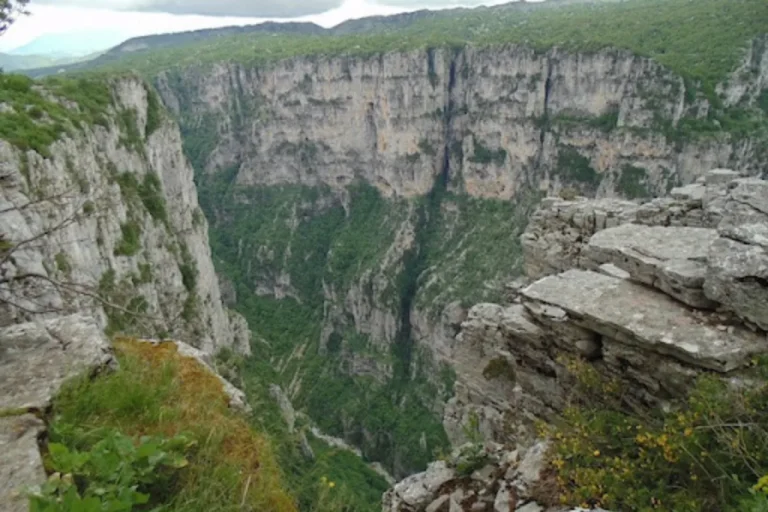
Oxia Viewpoint is one of the most important natural balconies in Zagori and is directly connected to Monodendri, from where it can be accessed. It is located about 3 kilometers from the village and offers one of the most impressive panoramic views of the Vikos Gorge, especially its deepest and most imposing part. Oxyia is one of the main natural observation points of the gorge and is a reference point for those who want to get to know Zagori not only through hiking, but also through the experience of the view and the scale of the landscape.
In terms of tourist experience, Oxia serves as a point where visitors can immediately appreciate the size and drama of Zagori’s nature. Access is relatively easy, making it ideal even for travelers who do not follow demanding mountaineering routes. In a guidebook, Oxyia Viewpoint is worth presenting as one of the most complete and accessible natural experiences in the Zagorohoria, a spot where the landscape is revealed in a direct, imposing, and meaningful way.
Beloi Viewpoint is one of the most iconic viewpoints in the Zagorohoria villages and is connected to Vradeto, the highest village in Zagori. It can be reached via a short hike from the village or from the nearby trailhead, and this natural “balcony” offers one of the most impressive panoramic views of the Vikos Gorge. Beloi is considered one of the most characteristic observation points in the area and combines the tranquility of the route with the sudden, spectacular revelation of the landscape.
The value of Beloí lies not only in the view, but also in the way it fits into the broader experience of Zagori. Its connection with Vradeto, the trails of the area, and the Vradeto Stairs gives the destination depth and continuity. In a tourist guide, the view from Beloi can be presented as one of the most authentic points of contact with the grandeur of Zagori, ideal for visitors seeking views, hiking experiences, and a more complete relationship with the landscape.
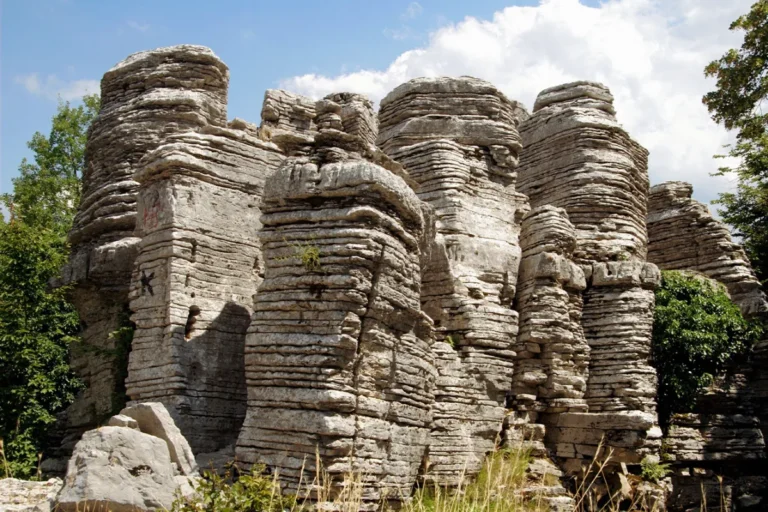
The Stone Forest is one of the most unique geological phenomena in the Zagorochoria region and is located in the area between Monodendri, Koukouli, and the road to Oxia. It is a field of striking limestone formations, resembling tree trunks and columns, which give the landscape an almost surreal appearance. The site is considered an important geosite of educational interest and is one of the most distinctive natural sights in Zagori, precisely because it reveals the geological history of the region in a visible and immediately striking way.
For visitors, the Stone Forest offers an experience distinct from the other natural sites of Zagori. It is not based on water or the view of a gorge, but on the form of the stone itself and the sense that the landscape has been sculpted by time and geological forces in an almost artistic way.
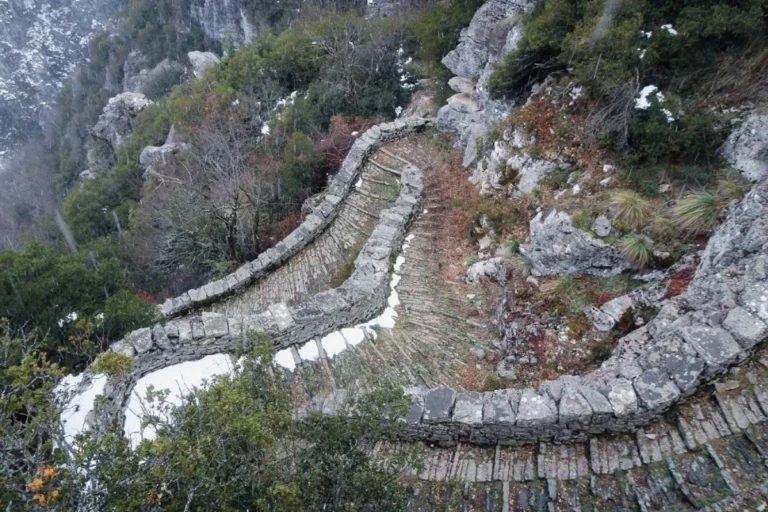
Vradetou Staircase is one of the most characteristic hiking and historical routes in the Zagorohoria villages. It is an imposing stone-paved path connecting Kapesovo with Vradeto, climbing the mountainside with approximately 1,100–1,200 stone steps and dozens of turns. For many decades, it was the main road connecting Vradeto with the rest of the world, until the modern road was built, giving it not only natural but also historical significance.
Today, Vradetou Staircase is one of the most iconic hiking experiences in Zagori. The route allows visitors to approach the landscape at their own pace, feel the connection between the old communities and the mountain, and see how human technical knowledge has been respectfully adapted to the natural terrain. In a tourist guide, Skala can be presented as an ideal example of how the Zagorohoria villages combine nature with history, landscape architecture, and the hiking experience.
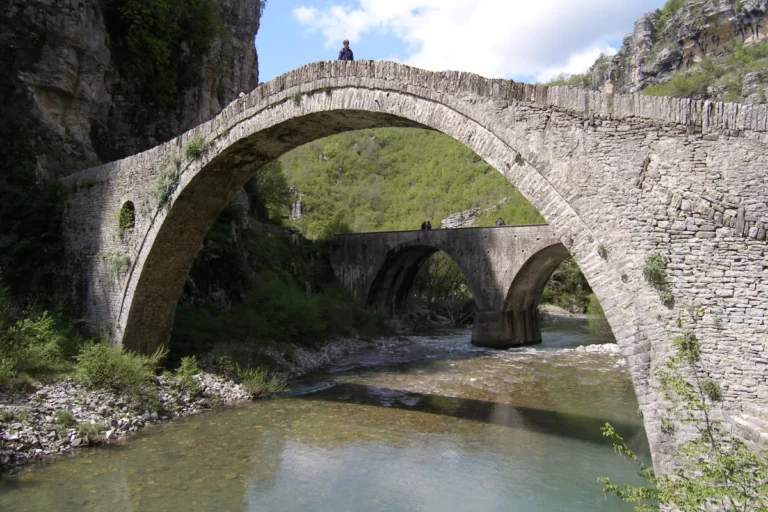
The Kokkoros Bridge, also known as the Noutsos Bridge, is one of the most characteristic and most photographed stone bridges in Zagori. It is located at a key point in Central Zagori, between historic villages, and for centuries it served as a link between the inhabitants and Ioannina and the surrounding passes.
Its single arch, the elegance of its construction, and its location within the rocky landscape make it one of the finest examples of local bridge building. It is no coincidence that it has become so strongly associated with the image of Zagori: on this bridge, the stone acquires an almost poetic power, as it converses with the gorge, the silence, and the deep sense of continuity that characterizes the place.
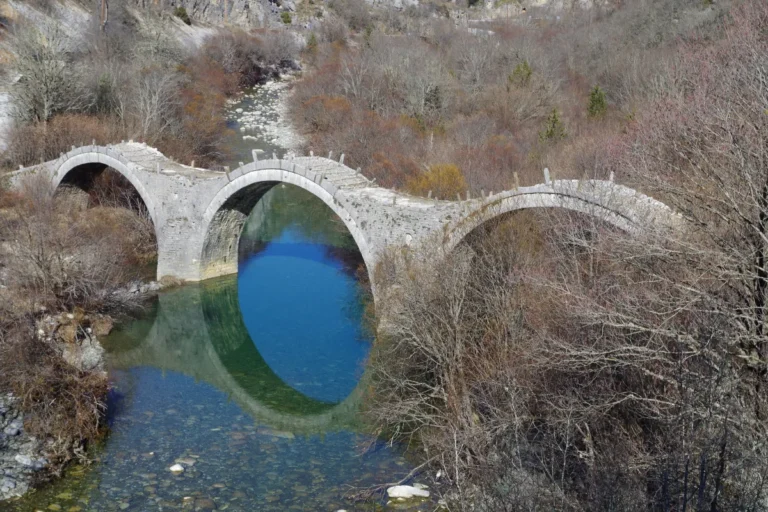
The Plakida Bridge, also known as Kalogeriko, is one of the most distinctive bridges in Epirus thanks to its unique three-arch design. Unlike many other stone bridges in the area, its architecture immediately catches the eye and creates an image that looks almost painted into the natural landscape. It is located near Kipoi and is one of the monuments that most vividly reflect the technical ingenuity of the Epirus craftsmen.
Its location in one of the most charming spots in Zagori makes it an ideal stop for those seeking not only a beautiful sight, but also a deeper connection with the history, landscape, and cultural identity of the region.
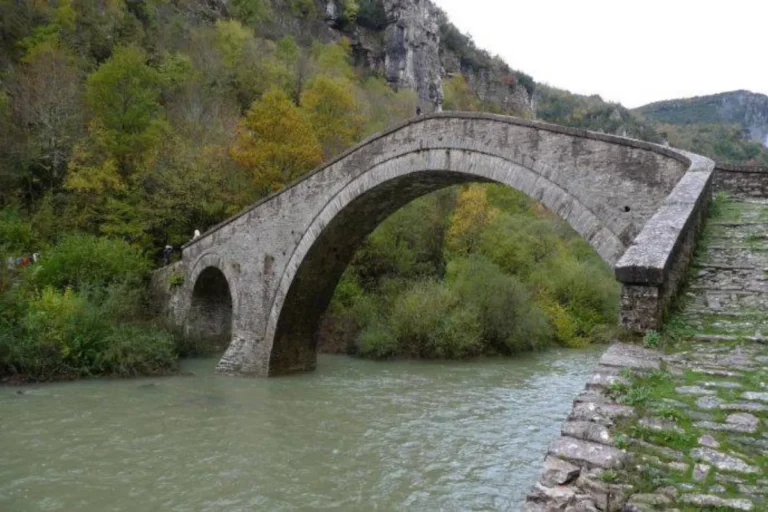
Misios Bridge is another valuable link in the chain of traditional bridges in Zagori. Without the explosive fame of some other bridges, it wins visitors over with its authenticity and tranquility. Located in an area ideal for hiking and exploration, it serves as a natural continuation of the trails, streams, and settlements that have shaped everyday life in Zagori for centuries.
Its value lies not only in its aesthetic form but also in the fact that it reflects the way in which architecture in Epirus has been inextricably linked to utility, durability, and respect for the environment.
See more
- Privacy Policy
- Cookies