The History of Zitsa
Zitsa, Ioannina, is a semi-mountainous village in Epirus, built on the left bank of the Kalamas River, about 25 kilometers west of Ioannina. Although it has given its name to the Municipality of Zitsa, it is not its seat, yet it retains a distinct historical and cultural identity.
The settlement is believed to have been founded in the late Middle Ages, most likely around the 15th century, while the first mention of Zitsa dates back to 1382 in the Chronicle of Ioannina. The area gradually developed into an organized settlement with agricultural activity, taking advantage of its geographical location and fertile landscape.
The origin of its name is also of particular interest, with various theories having been proposed. According to one view, it has Slavic roots and is related to concepts such as “soul” or “border.” Another theory links it to Greek tradition and the legend of a first settler named Zoitsa, while there is also the possibility of a Turkish origin from the word “şişa,” meaning bottle.
In more recent times, Zitsa became particularly well-known for its viticulture and wine production, a feature that remains a key aspect of its identity to this day. The natural landscape, the vineyards, and its historical continuity combine to create a destination that authentically embodies the Epirus countryside.
The Benefactors of Zitsa
In Zitsa, Ioannina, education relied heavily on the generosity of local benefactors, who substantially supported the operation of schools at a time when resources were limited.
Dimitrios Filitis made a decisive contribution to the education of the local community by establishing a school for girls, while Anastasios Filitis promoted education through scholarships and financial support for school needs. Thanks to these initiatives, knowledge became more accessible and organized.
The influence of the region’s benefactors was not limited to the operation of schools but extended to the formation of a society with a strong educational identity. Zitsa gained a reputation as one of the most cultured villages in Epirus, maintaining this connection to education and progress to this day.
Local Products of Zitsa
Zitsa, Ioannina, stands out not only for its history but also for its rich culinary tradition. The region is particularly well-known for its fine wines, with viticulture serving as a cornerstone of the local economy and identity. The region’s grape varieties produce wines with a distinctive character, reflecting the microclimate and soil of Epirus.
Equally important is the production of tsipouro, which continues a long tradition of distillation, linked to the daily life and hospitality of the locals. Zitsa tsipouro is characterized by its purity and intense aromas, making it a staple accompaniment at every local table.
The region’s culinary identity is also dominated by the traditional pies of Epirus, made with simple, pure ingredients and handmade dough. Vegetable pies, cheese pies, and seasonal variations create an authentic culinary experience that remains unchanged over time.
The local products of Zitsa reflect the region’s connection to the land and tradition, offering a complete culinary experience that every visitor should discover.
Churches and Monasteries in Zitsa
The wider area of Zitsa, Ioannina, boasts a particularly significant religious heritage, with monasteries and churches that bear witness to the enduring presence of the Orthodox tradition in Epirus.
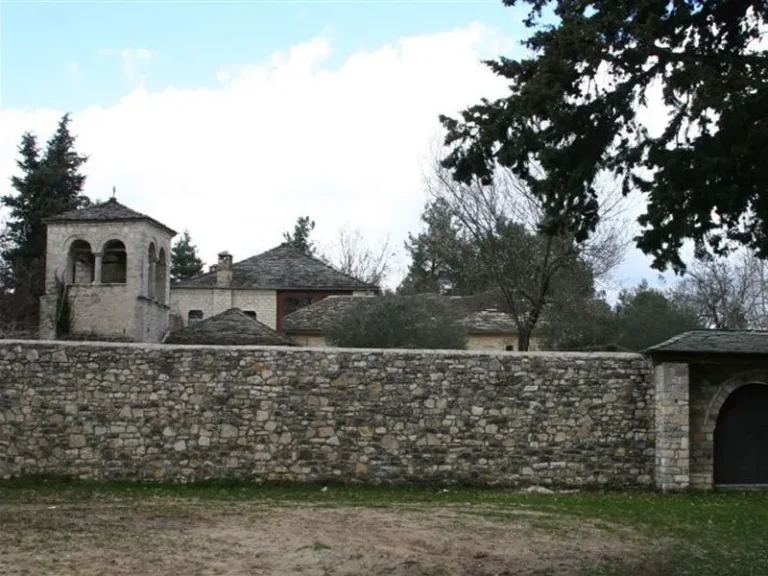
The Monastery of Prophet Elias stands out, built in a prime location with a panoramic view of the Epirus landscape, and is also associated with the hospitality extended to Lord Byron in the early 19th century. Similarly, the Monastery of the Dormition of the Virgin Mary of Pateron impresses with its fortress-like appearance and strong historical presence, constituting one of the most significant monastic complexes in the region.
The Monastery of Paliouri is also of significant interest, with its long history and authentic character, while the Monastery of Panagia Raidiotissa, built into a rock above the Zalongopotamos Gorge, stands out for its unique location and the connection between the natural and spiritual elements.
Finally, the Monastery of Saint Demetrius of Dichouni is linked to significant historical events in the region and the work of Dionysius the Philosopher, retaining its special symbolism to this day.
Overall, the religious monuments of the region are not only places of worship but also living testimonies to the history, architecture, and cultural identity of Zitsa.
Museums and Cultural Attractions
The area of Zitsa in Ioannina is not limited to its natural landscape; it also boasts remarkable cultural sites that reflect the history, daily life, and artistic expression of the region.
In the heart of the village of Zitsa, visitors can explore an environment rich in traditional architectural elements, featuring stone houses, mansions, and public spaces that preserve the character of a bygone era. At the same time, the presence of venues such as the Print Gallery adds a more contemporary cultural dimension, highlighting the region’s artistic identity.
In nearby settlements, such as Klimatia and Vrosina, additional elements of cultural interest can be found in the layout of the villages, the local architecture, and the preserved historic buildings, which together form an authentic Epirus landscape.
Finally, the vineyards of Zitsa are an integral part of the region’s cultural identity, as they are directly linked to local production and the winemaking tradition, which remains alive to this day.
Overall, the region’s cultural landmarks complement its natural beauty, offering visitors a more complete and meaningful experience.

Architecture and Cultural Identity
The villages in the area, such as Zitsa, Klimatia, and Vrosina, strongly preserve the elements of Epirus architecture, with stone houses, tiled roofs, and courtyards that follow the contours of the land. The buildings blend harmoniously into the landscape, without excess, creating an image of authenticity that remains largely unchanged over time.
At the same time, this architecture is directly linked to the daily life and economic activity of the region. The vineyards, agricultural areas, and outbuildings form part of a unified whole, where production, habitation, and the landscape coexist.
Zitsa’s cultural identity is also reflected in local customs, hospitality, and the preservation of traditional practices, which remain alive to this day. This is not a “museum” destination, but a place that continues to evolve while maintaining its connection to the past.
Sights of Zitsa
- Theogefyro Kalama
- Kalamas River
- Zaloggopotamos Gorge
- Prophet Elias Hill & Panoramic View
- Viewpoints from Zitsa
- Confluence of the Kalamas and Lagkavitsa Rivers
- Mountain Landscape of Kasidiaris
- Vineyards and the natural landscape of Zitsa
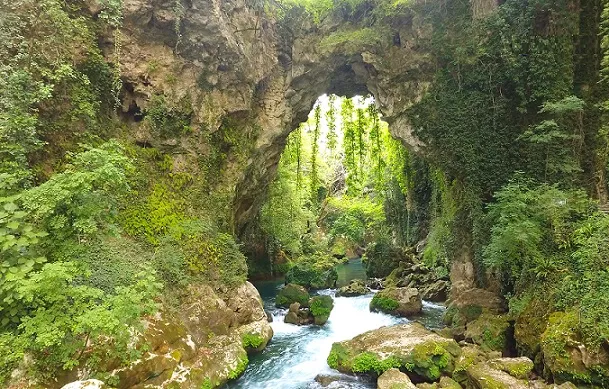
Theogefyro is one of the most distinctive natural phenomena in Epirus. It was created by the action of the Kalamas River, forming a natural stone arch that for years served as a landmark of the region.
Although it has collapsed today, the landscape continues to impress with its grandeur, offering a view of wild natural beauty.
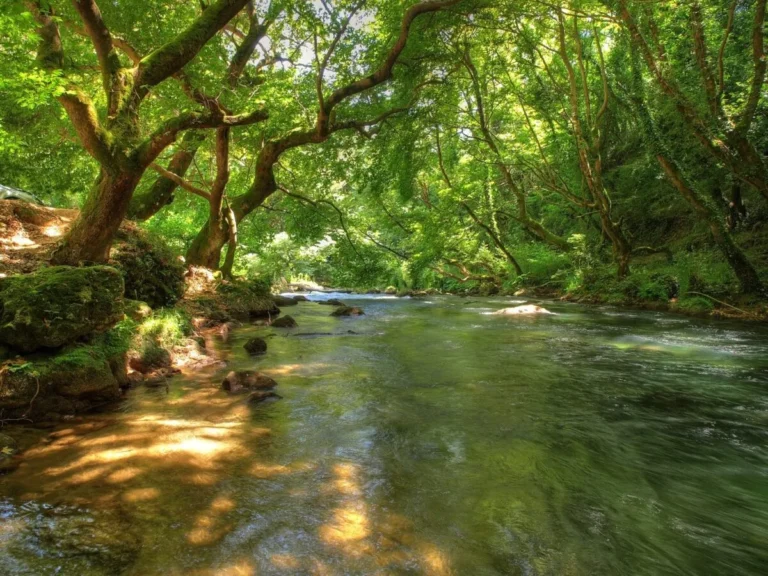
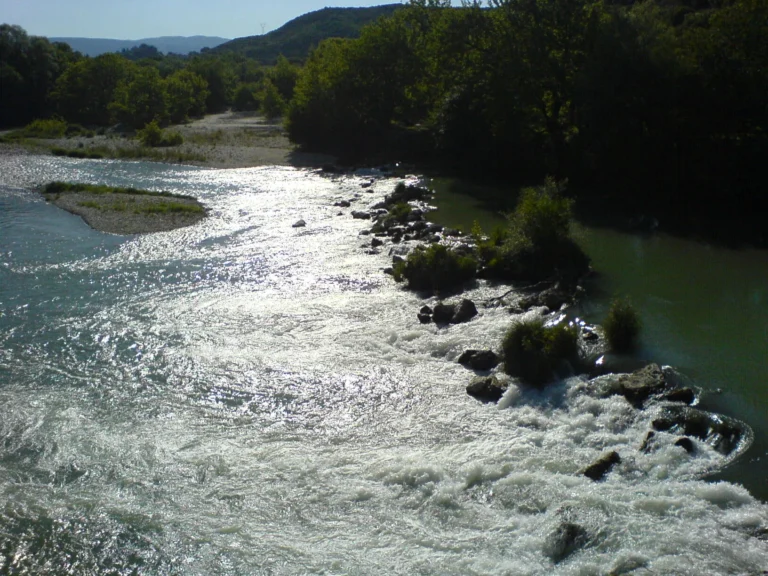
The Kalamas River is the region’s main natural “backbone.” With its many branches and tributaries, it creates a network of waterways that shape the landscape.
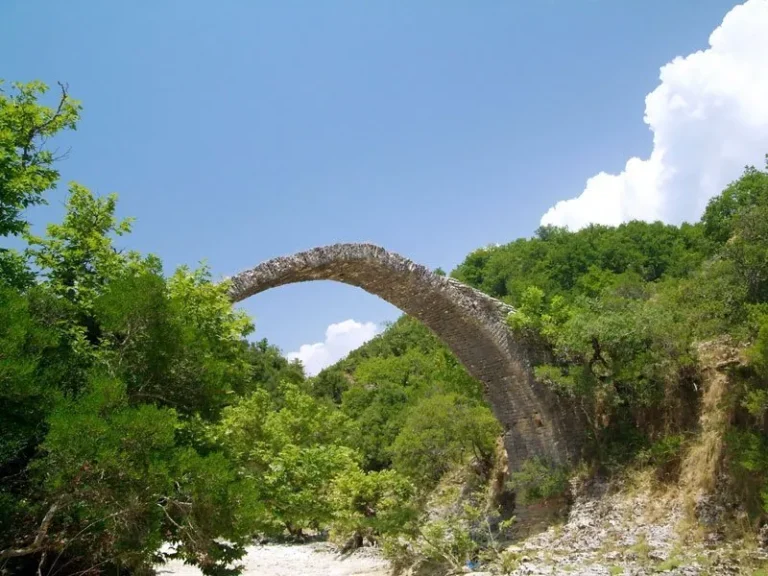
Its banks are home to trails connected to historic routes, offering hiking and exploration experiences within an authentic natural environment.
The Zaloggopotamos Gorge is one of the most impressive natural landscapes in the region. With its sheer cliffs, lush vegetation, and flowing water, it creates a setting of striking natural beauty.
It is ideal for those seeking quieter, less touristy routes.
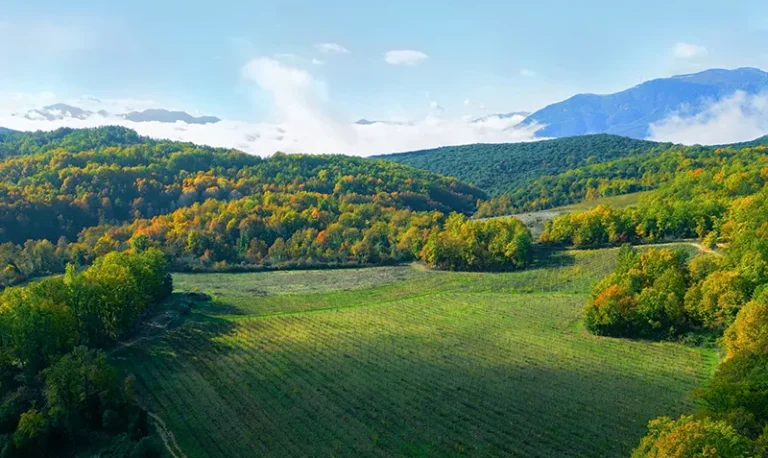
The hill of Prophet Elias is not only a religious site of interest but also one of the best natural vantage points in the area. From here, visitors can enjoy an open view of the valleys, hills, and mountain ranges of Epirus, in a landscape that changes character with the seasons.
This spot offers one of the most comprehensive views of the natural environment of Zitsa and is worth a stop even just for the view.
Zitsa itself, built on a vantage point, offers panoramic views of the wider Epirus hinterland. From the village and the surrounding hills, the view opens up to lush green valleys, gentle hillsides, and distant mountain ranges, creating a landscape with a strong sense of freedom and tranquility.
This experience in itself is a testament to the area’s natural beauty.
Confluence of the Kalamas and Lagkavitsa Rivers
One of the most distinctive natural features of the wider region is the confluence of the Kalamas and Lagkavitsa rivers. This spot stands out for its serene atmosphere and the sight of the two waterways merging within a lush natural setting.
This is a quieter and less well-known side of Zitsa, ideal for those seeking authentic landscapes.
Mountainous Landscape of Kasidiaris
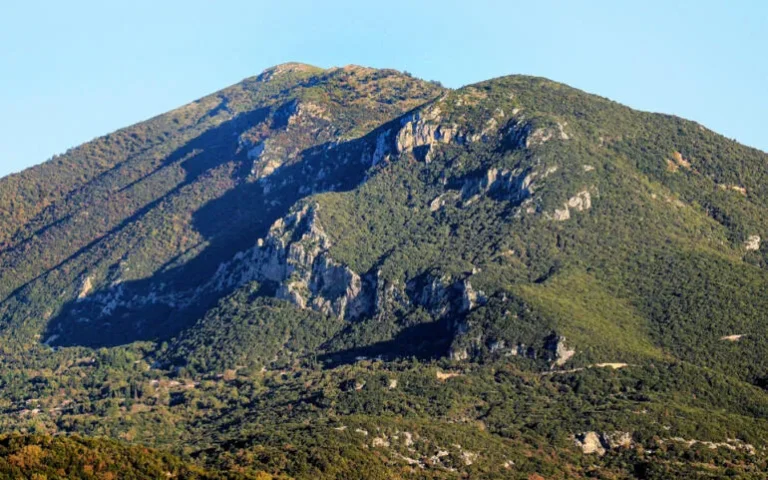
The wider area of Zitsa is framed by impressive mountain formations, the most distinctive of which is Mount Kasidiaris, which dominates the landscape and serves as a natural boundary and landmark.
The presence of these mountains enhances the area’s geomorphological diversity and provides a more “vibrant” natural backdrop to the visitor’s experience.
Vineyards and the natural landscape of Zitsa
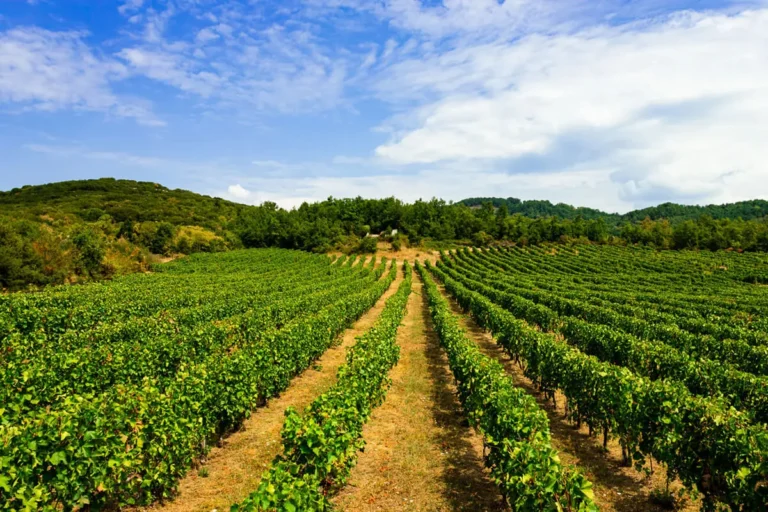
The vineyards of Zitsa are not only part of the region’s culinary and cultural identity, but also a key feature of its natural landscape. The vineyards spread harmoniously across hills and plateaus, creating a unique setting that changes in color and texture throughout the seasons.
Their presence reinforces Zitsa’s character as a place where nature and human activity coexist in balance.
See more
- Privacy Policy
- Cookies