Metsovo

Pogoni

Konitsa

Tzoumerka

Dodona

Zitsa

Zagorochoria

The History Of Zagorochoria

The Zagorohoria villages are one of the most distinctive historical and cultural areas in Epirus. Spread across the western slopes of the Pindos Mountains, the 46 villages of Zagori gradually formed a network of settlements closely linked to the mountainous landscape, livestock farming, trade, and the movements of their inhabitants to large urban and commercial centers abroad. The development of the region was particularly enhanced during the 18th and 19th centuries, when the economic prosperity of the Zagori diaspora returned to the area in the form of donations, schools, bridges, cobbled streets, churches, and public works. This shaped a residential and social fabric that remains unique in the Greek countryside to this day.

The history of Zagori is not only reflected in events, but mainly in the way people coexisted with the mountain. The stone houses, bridges, paths, stairs, and small squares with plane trees are not just picturesque elements; they are the result of an organized society that learned to live, create, and adapt to a demanding natural environment. It is precisely this interaction between man and landscape that gives the Zagorohoria their special character and explains why they are now considered one of the most important cultural landscapes in Greece.

The Benefactors of Zagorochoria

The history of the Zagorohoria villages is inextricably linked to the actions of benefactors and the Zagori diaspora. Many residents of Zagori migrated to commercial centers such as Constantinople, Odessa, Moscow, Alexandria, Bucharest, and Trieste, where they acquired property and returned to their homeland through significant donations. Thanks to them, schools, libraries, fountains, bridges, cobblestone streets, churches, and monasteries were built, giving the villages of Zagori a sense of organization, education, and community cohesion that is rare for a mountainous region.

Among the most important figures are the brothers Manthos and Georgios Rizaris from Monodendri, who left a strong mark on both Zagori and Greek education and ecclesiastical life in general. Also important are the brothers Paschalis, who are associated with the Paschalis School in Kapesovo, one of the most characteristic educational institutions in the region. Overall, in Zagori, the concept of the benefactor is not a regional detail but a fundamental pillar of its historical identity, as much of its current character was built precisely on this relationship between the place and its people beyond its borders.

Local Products of Zagorochoria

The culinary identity of Zagori is based on mountain life, livestock farming, and the products of the mainland’s nature. Among the most characteristic elements of the local cuisine are the famous Zagori pies, which are perhaps the most recognizable gastronomic symbol of the region. With thin pastry and fillings based on whatever each season has to offer, Zagori pies embody the logic of simple but inventive mountain cuisine. Cheeses, dairy products, meats, wild greens, and mushrooms, which are directly linked to the natural environment of the Pindos Mountains, also play an important role.

In addition to cooked dishes, the region is also famous for traditional products such as honey, spoon sweets, jams, chestnuts, walnuts, and other mountain produce. This gastronomic base is not only part of everyday local life but also an important element of the travel experience. Zagori offers visitors not only images and routes, but also a taste of authentic Epirus, closely linked to seasonality, simplicity, and the quality of raw materials.

Churches and Monasteries in Zagorochoria

The churches and monasteries of Zagori are an integral part of its cultural and architectural identity. Built mainly of stone and wood, they follow their own local architectural tradition and in many cases are older than the houses in the villages themselves. A characteristic feature of many churches is the large external porch with arches, which protected worshippers from the harsh winter weather. The religious monuments of Zagori function not only as places of worship, but also as bearers of historical memory, art, and local identity.

Among the most important religious sites in the area is the Monastery of Agia Paraskevi in Monodendri, one of the oldest monuments in Zagori, built in the late 14th or early 15th century, in an impressive location above the Vikos Gorge. Also of particular importance are the Monastery of Voutsa between Greveniti, Flabourari, and Doliani, the Rogovou Monastery near Tsepelovo, the Evangelistria Monastery in Ano Pedina, and Panagia Spiliotissa in the Voidomatis area near Aristi.

Museums and Cultural Attractions

Zagori has a remarkable cultural infrastructure, allowing visitors to gain a deeper understanding of the history, daily life, and spiritual traditions of the region. The Agapios Tolios Folklore Museum is located in Kipoi, with an extremely rich collection of approximately 40,000 exhibits from the daily life of the inhabitants of Zagori. In Elafotopos, there is the Museum of Traditional Professions, which showcases tools and techniques used in professions that shaped life in the Epirus countryside. Koukouli is home to the Lazaridis Natural History Museum, which is dedicated to the herbs and flora of the region, as well as the tradition of the famous doctors of Vikos.

At the same time, in Monodendri, the Rizareio Exhibition Center reinforces the contemporary cultural image of Zagori, while in Kapesovo, the Paschaleios School serves as an important monument to the educational history of the region. In Megalo Papigo, you will find the Anagnostopoulou Library, while in Tsepelovo there is a photography museum dedicated to the social and historical development of the inhabitants of Zagori. These sites prove that the Zagorohoria are not only a destination of natural beauty, but also a place with a rich cultural background, combining tradition, knowledge, and memory.

Architecture and Cultural Identity

One of the elements that make the Zagorohoria villages so special is their architectural coherence. Stone, wood, and slate dominate houses, churches, bridges, paths, and public spaces, creating a whole that seems perfectly integrated with the natural environment. The settlements are organized around squares with plane trees, while cobblestone streets and arched bridges have connected the communities for centuries. This architecture is not simply an aesthetic choice; it is the result of a deep adaptation of man to the mountainous landscape of the Pindos.

Today, this cultural identity is internationally recognized as a key element of Zagori’s value. The landscape, the settlements, the stone bridges, the stairways, and the paths do not function in isolation, but as a unified cultural system. In terms of tourism, this gives Zagori a strong advantage: it offers not only individual attractions, but an entire sustainable, recognizable, and authentic environment, where nature and human creation remain in rare balance.

Sights of Zagorochoria

Zagorochoria Sights

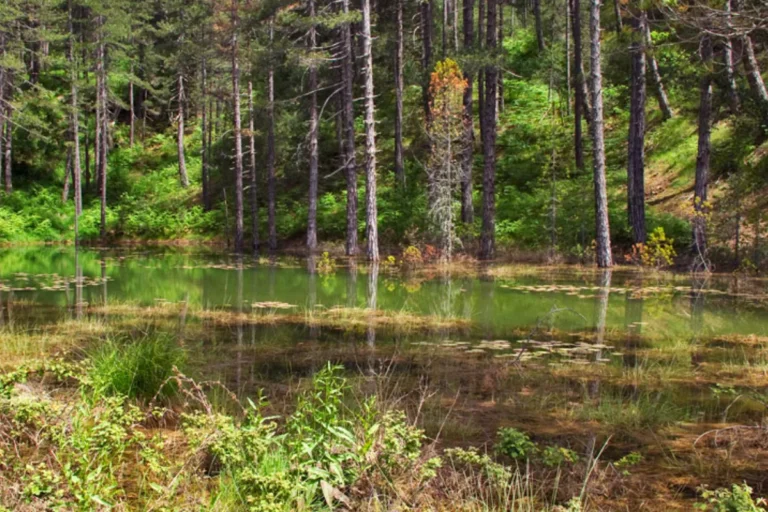
Lake Zorika

Lake Zorika is one of the most unique natural landscapes in Eastern Zagori and is known to many...>

Read more »

Zagorochoria Sights

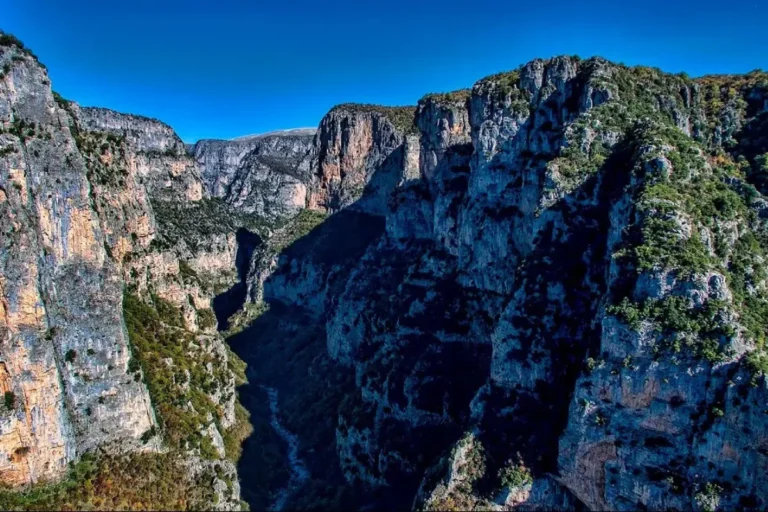
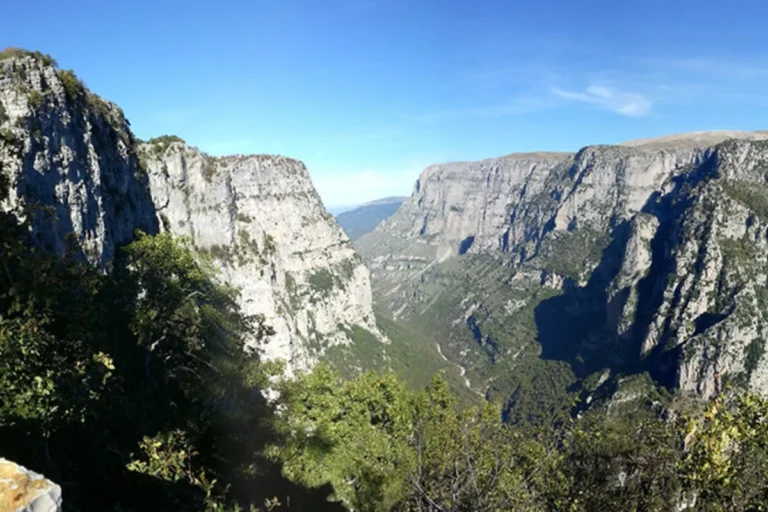
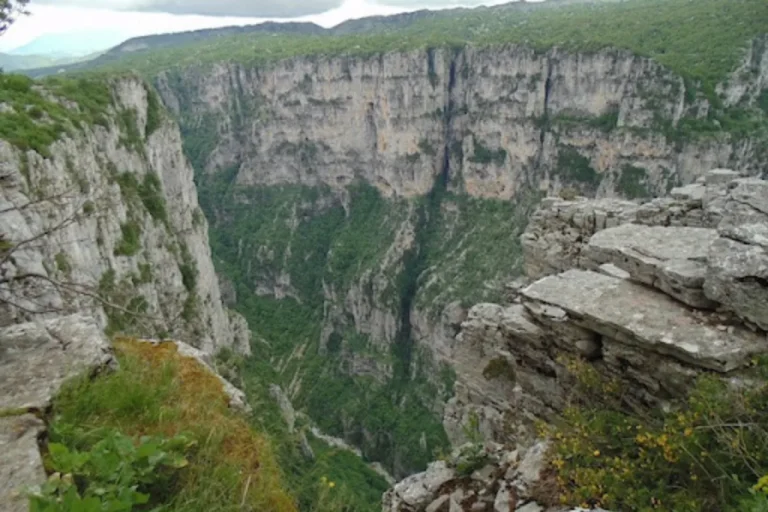
Vikos Gorge

The Vikos Gorge is one of the most iconic natural attractions in Epirus and one of the most...>

Read more »

Zagorochoria Sights

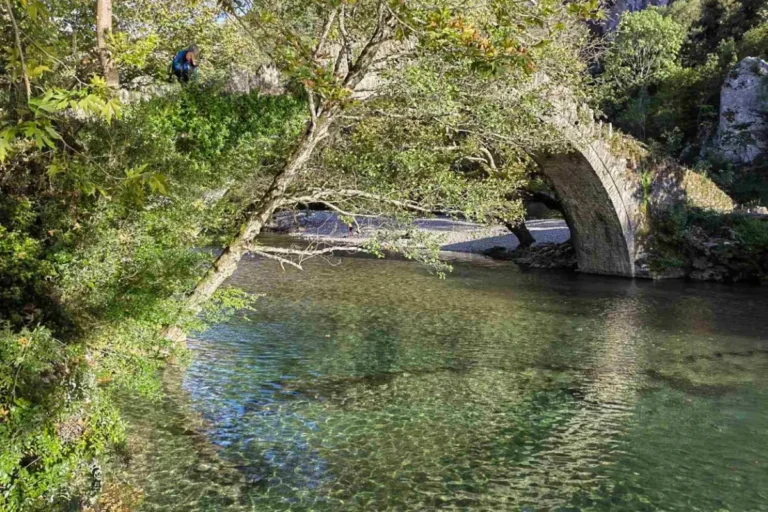
Voidomatis River

The Voidomatis is one of the most recognizable rivers in Epirus and is directly linked to the natural...>

Read more »

Zagorochoria Sights

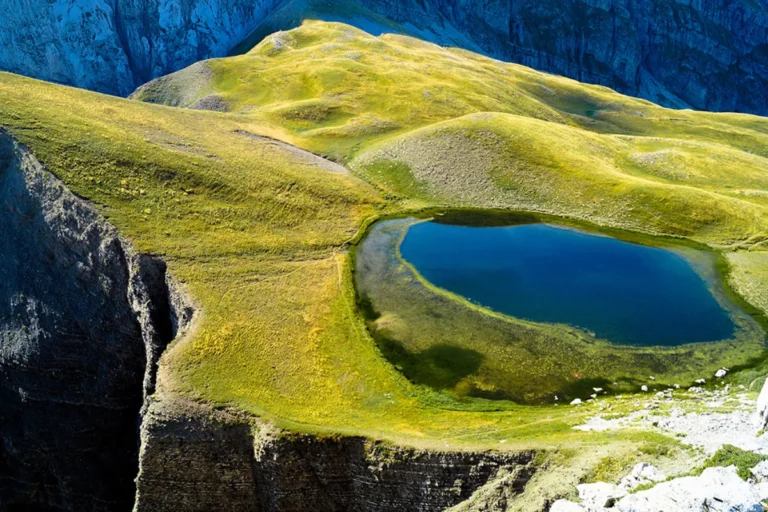
Drakolimni Lake, Tymfi

Drakolimni Lake in Tymfi is one of the most iconic alpine destinations in Epirus and belongs to the...>

Read more »

Zagorochoria Sights

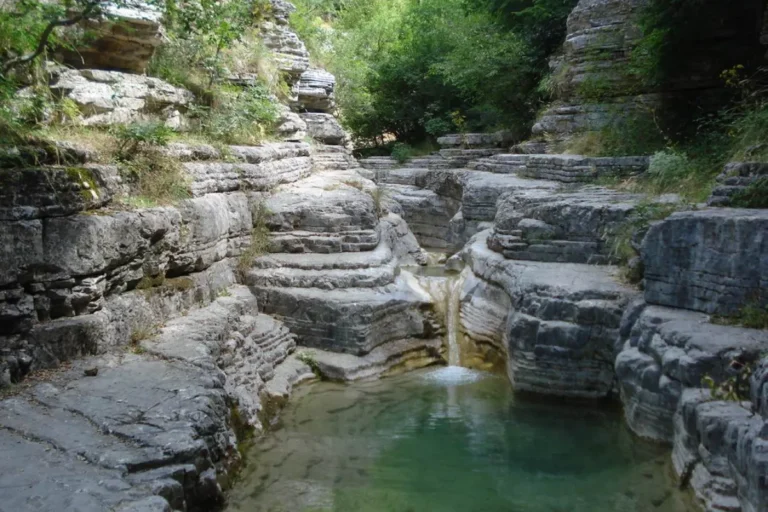
Rogovou Pools

The Rogovou Pools, also known as the natural pools of Papigo, are one of the most unique natural...>

Read more »

Zagorochoria Sights

Oxia Viewpoint

Oxia Viewpoint is one of the most important natural balconies in Zagori and is directly connected to Monodendri,...>

Read more »

Zagorochoria Sights

Beloi Viewpoint

Beloi Viewpoint is one of the most iconic viewpoints in the Zagorohoria villages and is connected to Vradeto,...>

Read more »

Zagorochoria Sights

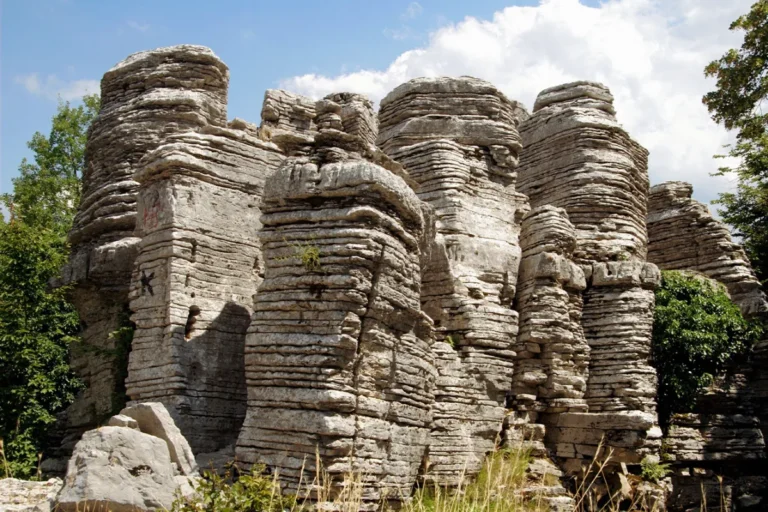
Stone Forest

The Stone Forest is one of the most unique geological phenomena in the Zagorochoria region and is located...>

Read more »

See more

Scroll to Top