Metsovo

Zagorochoria

Pogoni

Dodona

Zitsa

Tzoumerka

Konitsa

The History Of Pogoni

Pogoni is one of the most distinctive historical regions of Epirus, with a character shaped by its geographical location near the border and by its long-standing connection to mountain passes, population movements, and daily life in the mountains. The region has long been a key hub connecting Illyria and the northern Balkans, a fact that has influenced both its historical trajectory and its cultural character. The landscape, with its valleys, forests, plateaus, and small settlements, shaped a world that was simple yet deeply rooted in the land and collective memory.

The history of Pogoni is also closely linked to migration. The difficult living conditions and harsh treatment of the region during the Ottoman period led to a large wave of emigration, which deeply marked the psyche and culture of the inhabitants. This experience of absence and exile is vividly reflected in polyphonic singing, which remains to this day one of the most authentic expressions of Pogoni’s identity. Thus, the history of the region is found not only in events and monuments, but also in the way communities have kept their memory alive through song, custom, and collective experience.

The Benefactors of Pogoni

Pogoni is associated with a significant tradition of service, which has shaped the region’s historical and social identity. From its villages emerged individuals who, through their commercial, professional, and social careers, kept alive the bond with their place of origin and reinforced the broader mainland tradition of philanthropy. Among them are Ioannis Gourmas and Vasileios Petrakis from Dipalitsa, Christodoulos Konstantinou and Panagiotis Karetsos from Lavdani, Anastasios D. Ilaridis, Apostolos Zoitsis, Michael Vlachos, Georgios Katsounidis or Katsounis, and Loukas N. Kontis from Vissiani, as well as Spyros P. Peklaridis, Nikolaos Matsikakis, Alexis Moutsios, and Stavros Sechopoulos from Tsaraplana.

These records show that Pogoni was not only a place of memory and tradition, but also a place of people who turned their personal journeys into a legacy for their homeland. At the same time, the region’s contributions were also expressed collectively, through the village brotherhoods and expatriate communities, which have supported their birthplace over time and kept the spirit of the community alive.

Local Products of Pogoni

Pogoni’s culinary identity is rooted in livestock farming, small-scale local production, and the residents’ close connection to the land and the seasons. Official municipal and development documents for the region highlight the importance of high-quality local products, while in villages such as Molyvdoskepasti, organized local production is documented, featuring products like tsipouro, wine, trahanas, and spoon sweets. These products embody the region’s simple yet authentic cuisine and are directly linked to the way of life of its communities.

Beyond the typical traditional goods, Pogoni represents a more authentic, home-style, and unpretentious culinary side of Epirus. The region’s cuisine is based on the principles of self-sufficiency, local ingredients, and simple, pure flavors, as is the case in many mountainous areas of Epirus.

Churches and Monasteries in Pogoni

Pogoni’s religious heritage is particularly rich and constitutes a fundamental element of the region’s identity. Official sources on Pogoni mention significant monasteries and churches, many of which are associated with the Byzantine and post-Byzantine periods and preserve remarkable architectural and artistic elements. Among the most important monuments are the Monastery of Sosinos in Parakalamos, the Monastery of Vellas near Kalpaki, and the Monastery of Avel in Vissani—monuments that lend Pogoni a profound spiritual and historical depth.

At the same time, churches and monasteries of exceptional interest can be found in various villages throughout Pogoni. In Vasiliko, the highlights include the Monastery of Saints Constantine and Helen (1779), the Church of the Presentation of the Savior (also 1779), and the older Church of Saint Athanasius, dating back to around 1300. In Pogoniani, notable churches include Agia Paraskevi, Panagia Karterousa, Agios Athanasios, and the distinctive Agios Nikolaos from 1873, with its elaborate wood-carved iconostasis and unique architecture. All these monuments reinforce the image of a place where religious tradition remains organically intertwined with history and local life.

Museums and Cultural Attractions

Pogoni features cultural sites that help visitors gain a deeper understanding of the region’s character. In Kalpaki, the administrative center of the municipality, there is a Military Museum dedicated to the period 1940–1941, with exhibits related to the Greco-Italian War and the Battle of Kalpaki. The war memorial for the battle is also located in the same area, a feature that gives Pogoni a strong historical and national significance.

Also of particular interest is the Pogoni-Deropolis Folklore Museum in Pogoniani, housed in an old military outpost and featuring objects of daily life, agricultural tools, costumes, photographs, and artifacts of local history, as well as the house-museum of Patriarch Athenagoras in Vasiliko. In addition, villages such as Stratinista, Zavrocho, and Kastani are home to smaller collections of folkloric or natural history interest, which enhance the cultural richness of the region.

Architecture and Cultural Identity

The architecture of Pogoni is characterized by simplicity, authenticity, and a close integration with the natural landscape. Stone houses, churches, bridges, watermills, waterwheels, and traditional structures compose a picture that is not based on grandeur, but on functionality and the quiet endurance of time. In villages such as Paleopyrgos, Oreokastro, Agios Kosmas, and Kalpaki, traditional watermills and stone troughs—which were once an active part of daily life and are now designated as monuments—have been preserved. Also noteworthy is the stone bridge in Gretsi, which completes the characteristic image of Pogoni architecture.

Above all, however, Pogoni’s cultural identity is inextricably linked to polyphonic singing, which serves as one of the region’s most important vehicles for memory and expression. Exile, absence, community, and resilience are conveyed through voices and customs, giving Pogoni a cultural identity that is not only visible in its buildings and monuments but also audible.

Sights of Pogoni

Pogoni Sights

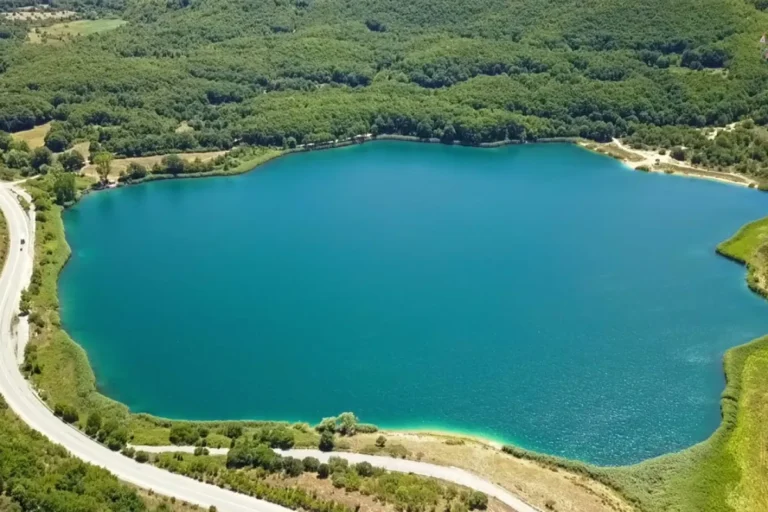
Lake Zaravina

Lake Zaravina is the most recognizable natural destination in Pogoni and one of the most distinctive aquatic landscapes...>

Read more »

Pogoni Sights

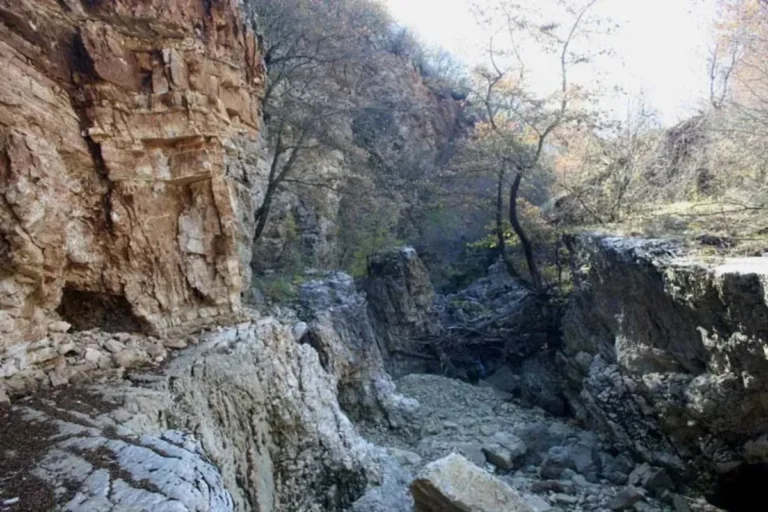
Kouvaras Gorge

Kouvaras Gorge is one of the most fascinating natural landscapes in Pogoni and is directly connected to the...>

Read more »

Pogoni Sights

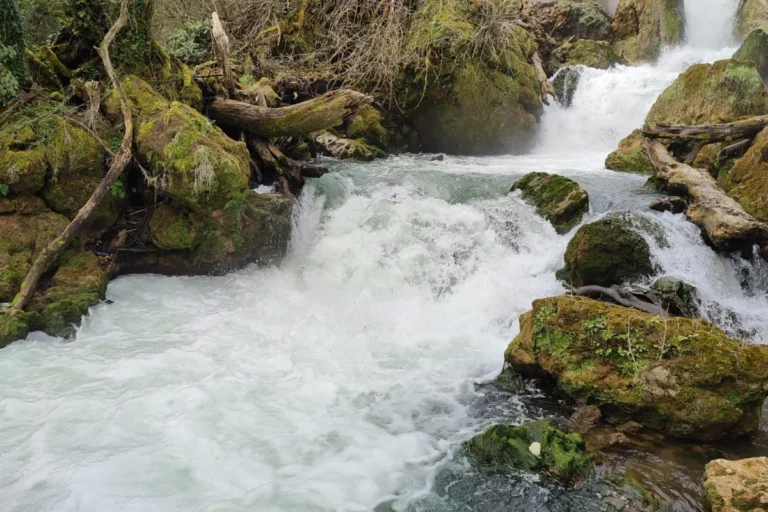
Glyziani Waterfall

The waterfall associated with the old name Glyziani is located in the area of the present-day village of...>

Read more »

Pogoni Sights

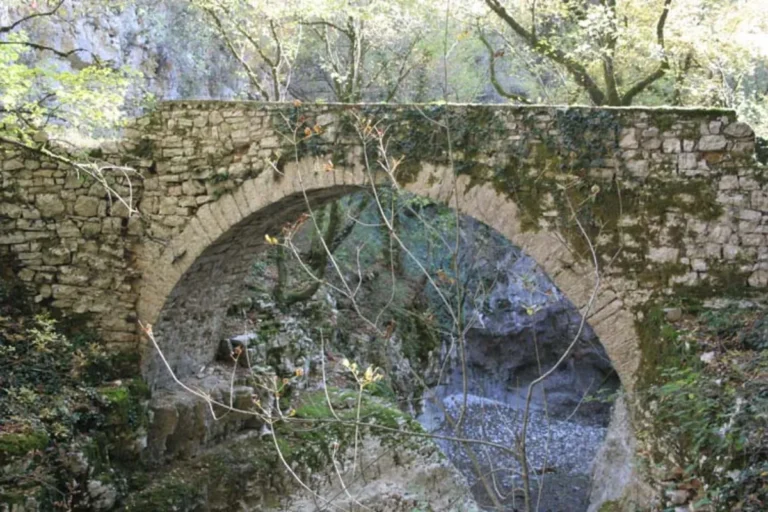
Kouvaras Bridge

The Kouvaras Bridge, in the Pogoniani area, is one of the most interesting and least-known stone bridges in...>

Read more »

Pogoni Sights

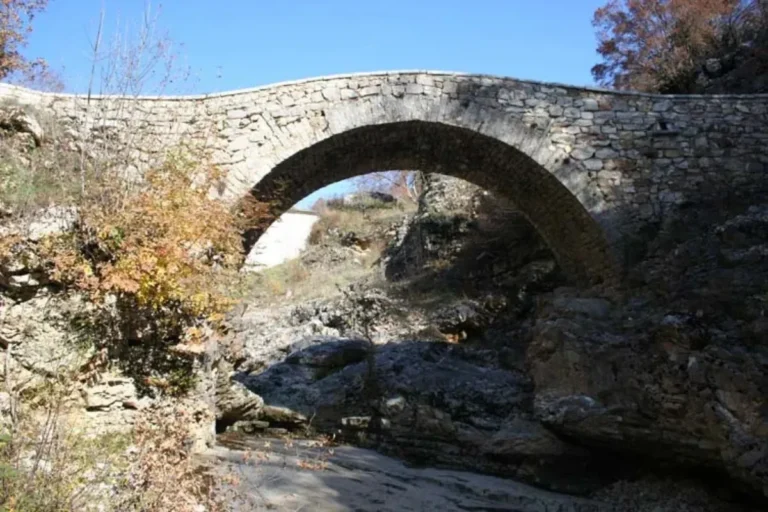
Nonoulos Bridge

The Nonoulos Bridge holds one of the most human and touching stories in the Pogoni region. Beyond its...>

Read more »

Pogoni Sights

Gormos Valley

Gormos Valley is one of the most distinctive natural features of Pogoni and clearly reflects the region’s gentle...>

Read more »

See more

Scroll to Top