Sights - Historic Buildings

Ioannina is shaped by a quiet harmony of nature, history, and everyday life.
The lake reflects centuries of stories, stone-built neighborhoods preserve memory, and ancient landmarks stand as witnesses of culture that endures. Paths through forests and mountain landscapes invite slow exploration, while traditional villages and sacred places reveal the depth of local identity.

Here, every moment feels grounded and sincere, offering experiences rooted in heritage, authenticity, and the natural rhythm of Epirus.

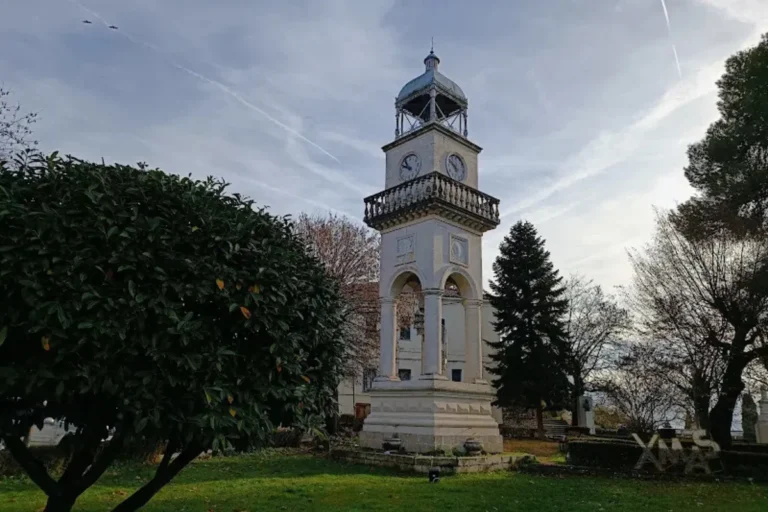
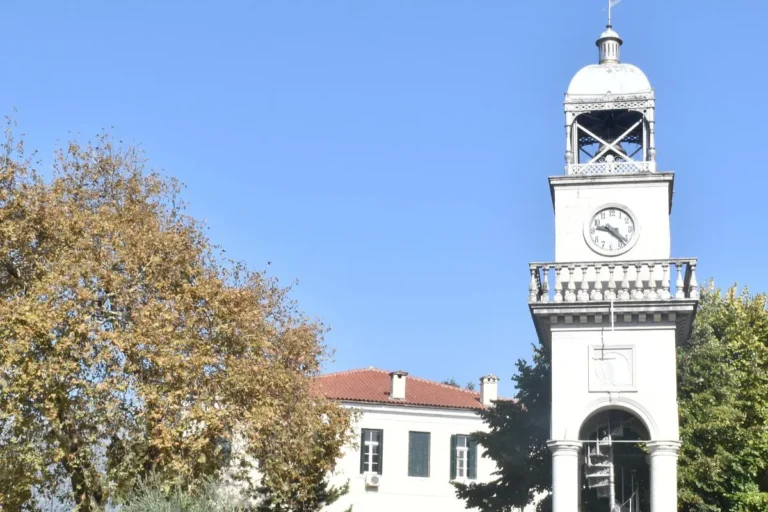
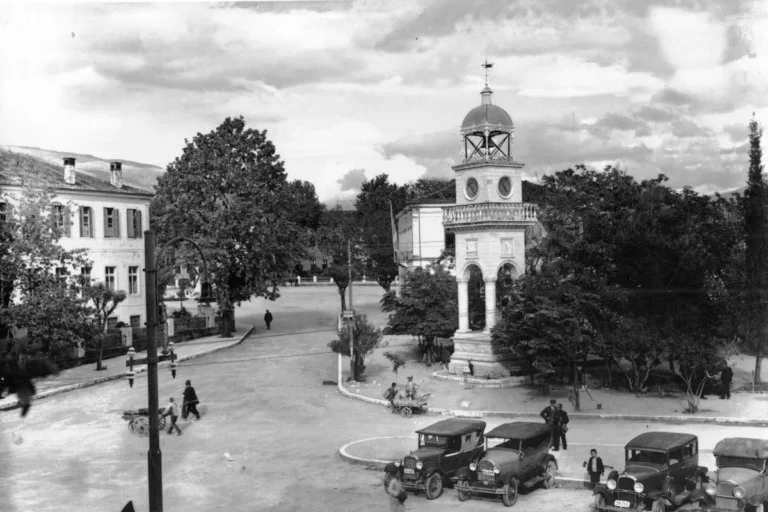
The Clock Tower of Ioannina is one of the city’s most iconic landmarks, standing prominently in Heroes’ Park, in the heart of Ioannina. More than just an architectural feature, it is a living testament to the region’s history and identity.

Its construction dates back to 1905, during the Ottoman Empire, on the initiative of Osman Pasha of Kurd, in honor of the jubilee of Abdul Hamid II. The project was designed by the architect Periklis Melirritos from Ioannina, who combined neoclassical elements with Eastern influences, creating a structure with a distinctive architectural character.

Originally located in a central part of the city, the Clock Tower suffered severe damage in 1918 and was relocated to its current site in 1925. Since then, it has stood as a silent witness to significant historical moments, from events surrounding the liberation to symbolic acts of resistance during World War II.
Today, the Ioannina Clock remains one of the city’s most recognizable landmarks.

Amid the pulse of daily life and the timelessness of history, it continues to serve as a constant point of reference; a place that reminds us that in Ioannina, time does not simply pass; it leaves its mark.

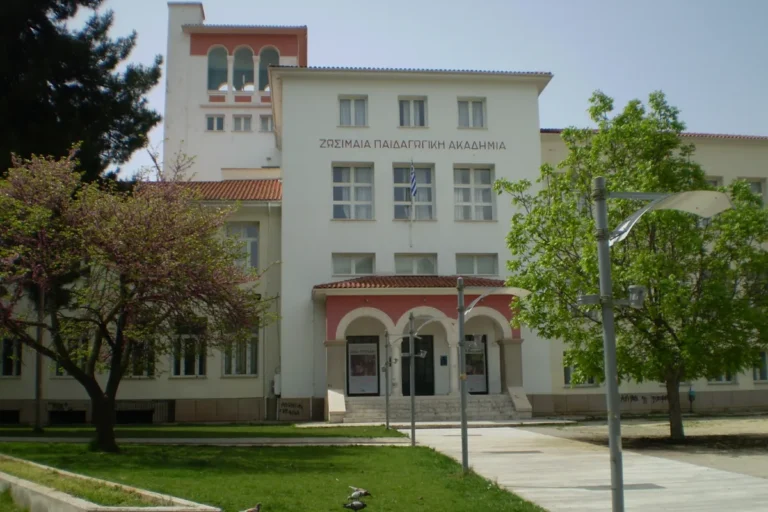
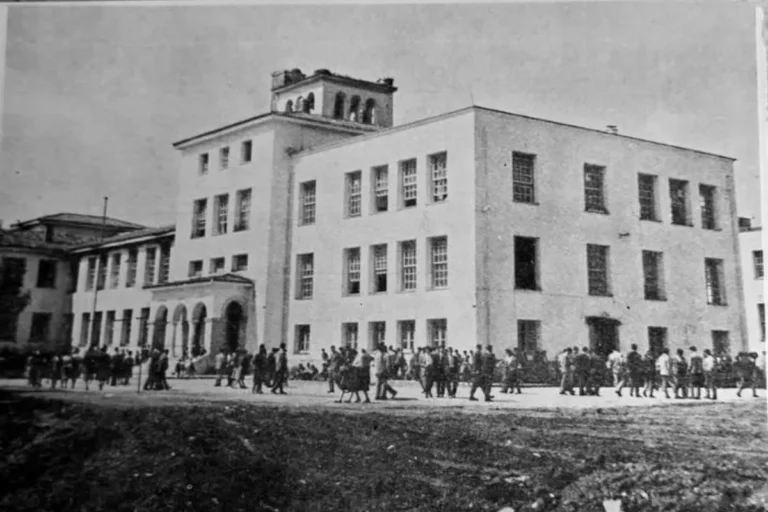
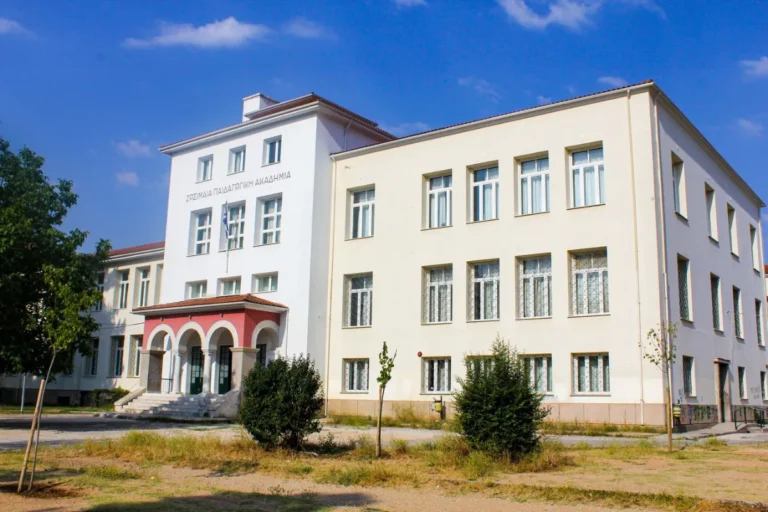
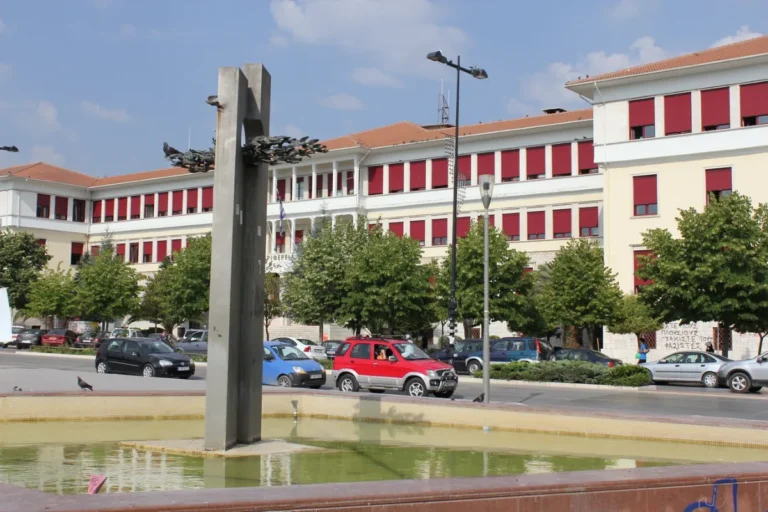
The Zosimaia Pedagogical Academy is one of the most significant educational and historic buildings in Ioannina, having played a prominent role in the city’s intellectual and social development. It is located on Dodonis Avenue and effectively bridges the past and present of educational activity in the region.
On the site where the Academy stands today, the Osman Tsious Mosque stood until 1929, an imposing Ottoman monument with rich decorative elements. The construction of Zosimaia dates to the 1930s, marking a new era for education in Ioannina.

During World War II, the building took on a different role, serving as a hospital, and for several years it also housed the city’s Military Hospital. At the same time, it served as a key center for teacher training, and the first departments of the University of Ioannina operated within its walls when they were still a branch of Aristotle University of Thessaloniki.

Today, the building continues to play an active educational role, housing school units, while also serving as a cultural venue, with exhibition and event halls. In the courtyard, one encounters significant monuments, such as works by the sculptor Theodoros Papagiannis, which enhance the cultural character of the space.

The Zosimaia Academy of Education is not merely an educational institution, but a living part of Ioannina’s history, reflecting the enduring importance of knowledge and education to the city’s identity.

The Kaplaneios School is one of Ioannina’s most significant educational landmarks, with a history dating back to the late 18th century. It was founded in 1797 and was closely linked to the intellectual development of the city during a period when Ioannina was emerging as a major center of learning and culture. Its name is associated with the benefactor Zoë Kaplanis, while the presence of Athanasios Psalidas, who took charge of its organization and administration, was also decisive.

The school operated on the site of the older Maroutsaia School and was distinguished for its high standard of education and its equipment, which was modern for the time. Its operation was interrupted in 1821 when it was destroyed; the current building was erected later, between 1922 and 1926. Today, it houses a school complex in the city center, keeping alive the region’s long-standing connection to education.

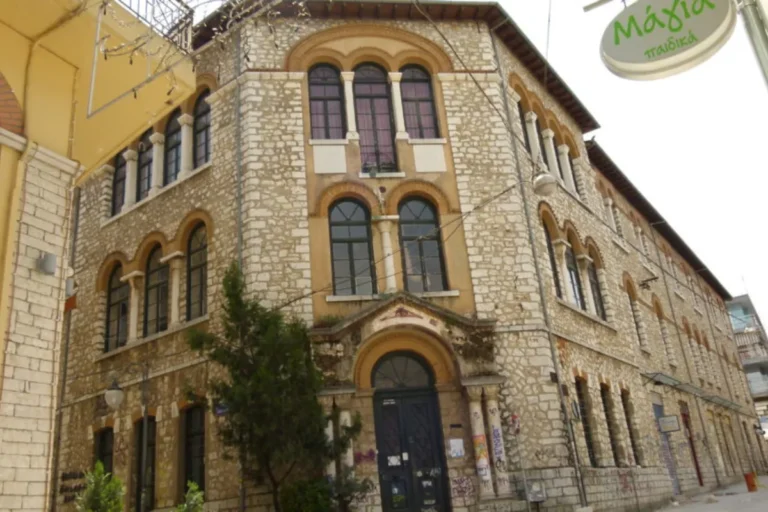
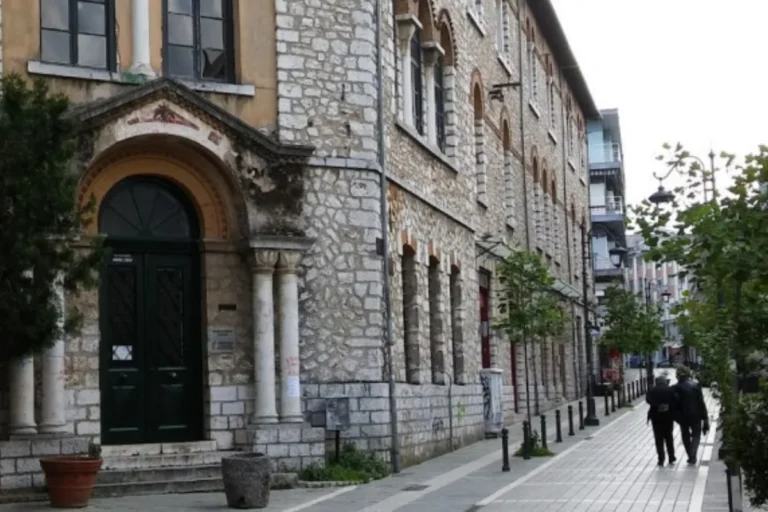
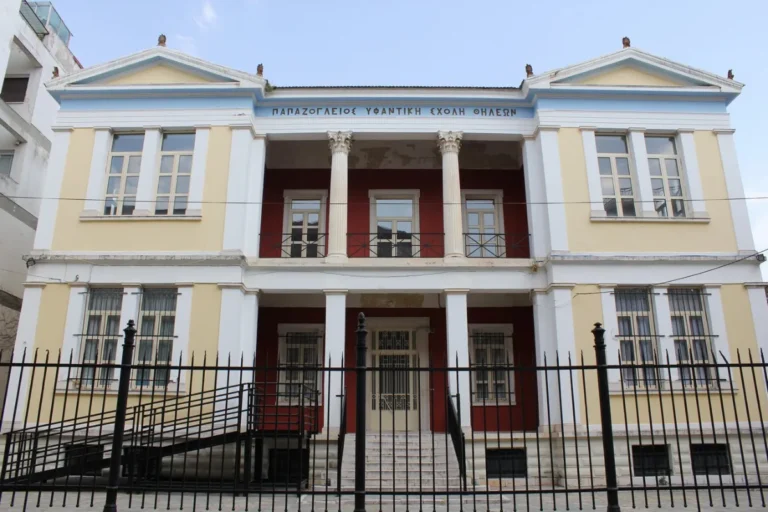
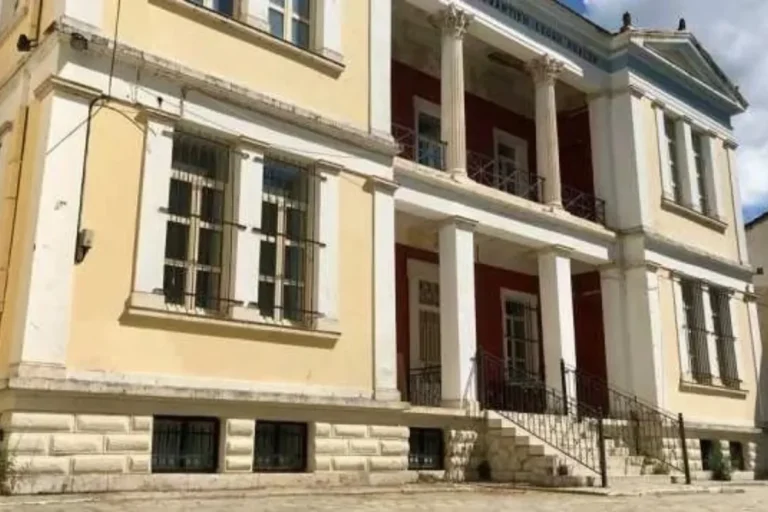
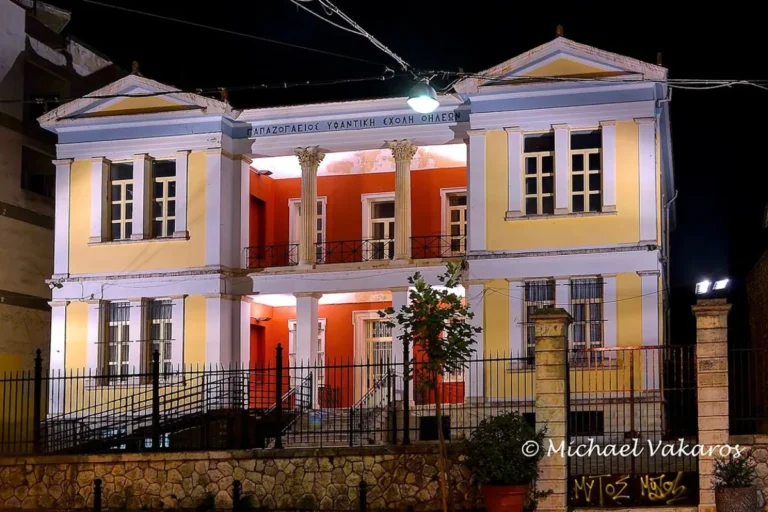
The Papazoglou School of Textiles is one of the most distinctive educational buildings in the center of Ioannina and is closely linked to the city’s tradition of technical and vocational education. Its name honors the benefactor Angeliki Papazoglou, whose funds were used to construct the building, which was designed by architect Pericles Melirritos in the second half of the 19th century.

Initially, it was associated with education in weaving, reflecting a more practical and productive aspect of education in Ioannina. Over time, the building has served various purposes, without losing its educational and public character. Today, it houses the Department of Architectural Engineering at the University of Ioannina, continuing its long history as a space for knowledge and creativity.

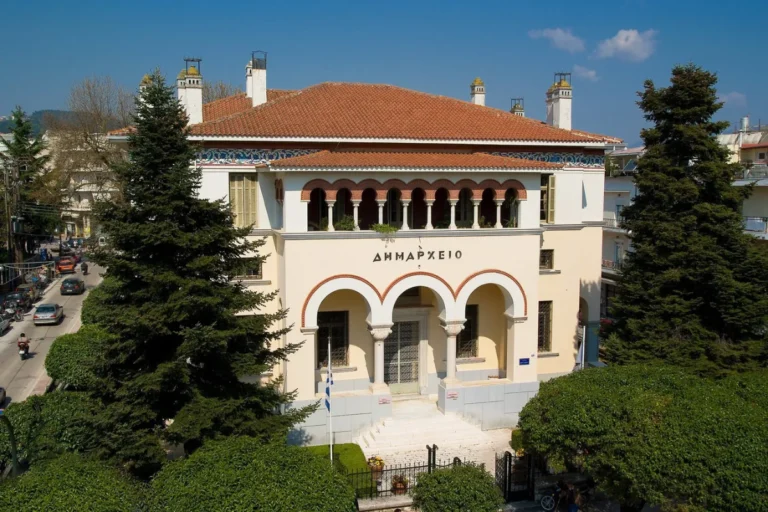
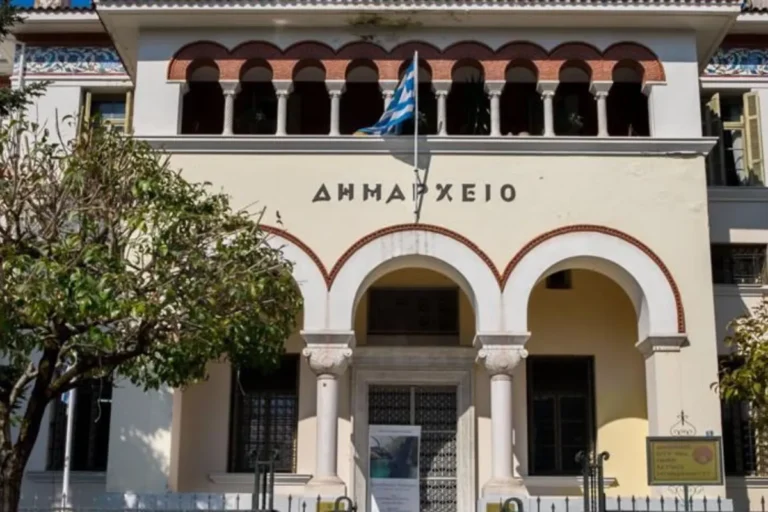
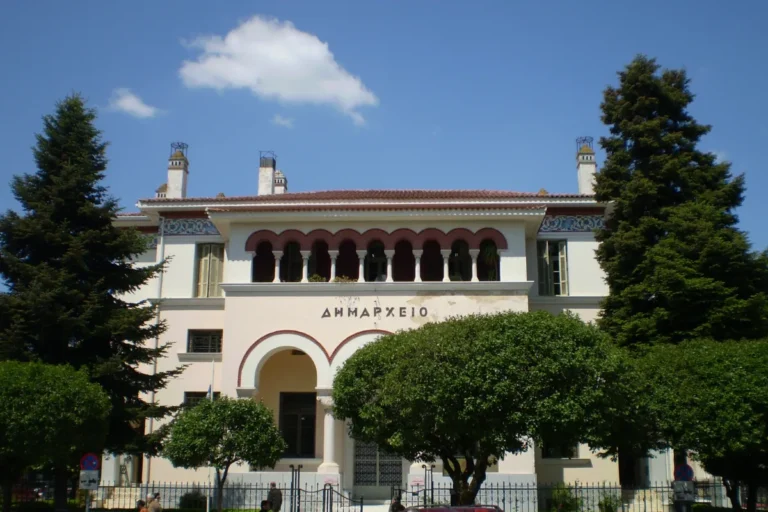
The Ioannina City Hall is one of the city’s most distinctive public buildings, featuring unique architecture and a rich historical legacy. It was built in 1928 by the National Bank, based on designs by architect Zoubouidis, on the foundations of the old Ottoman Governor’s Office, which was destroyed in 1926, most likely by arson. Its architecture follows the so-called “post-Byzantine” style, giving the building a distinctive character that sets it apart in the urban landscape of Ioannina.

From 1930 to 1950, it served as a branch of the National Bank, and later took on other significant uses. In 1960, the ground floor was allocated to house the Zosimaia Library, while the upper floor was used to accommodate the royal family during their visits to the city. Subsequently, the upper floor was transferred to the Municipality of Ioannina, and after the library was relocated, the ground floor was used as the City Council’s meeting hall.

The building is located on Andreas Papandreou Square and is of particular interest both for its form and for the details of its construction. It is a three-story building with a prominently projecting entrance, Byzantine-style columns, and wrought-iron railings in the Ioannina style on the ground floor. Also noteworthy are the elaborately decorated metope, the glazed porcelain tiles with floral motifs, the arches made of ceramic bricks, and the marble columns—elements that highlight the care and high quality of the construction.

Today, City Hall remains an important administrative and architectural landmark of Ioannina, linking the city’s modern function with its long history.

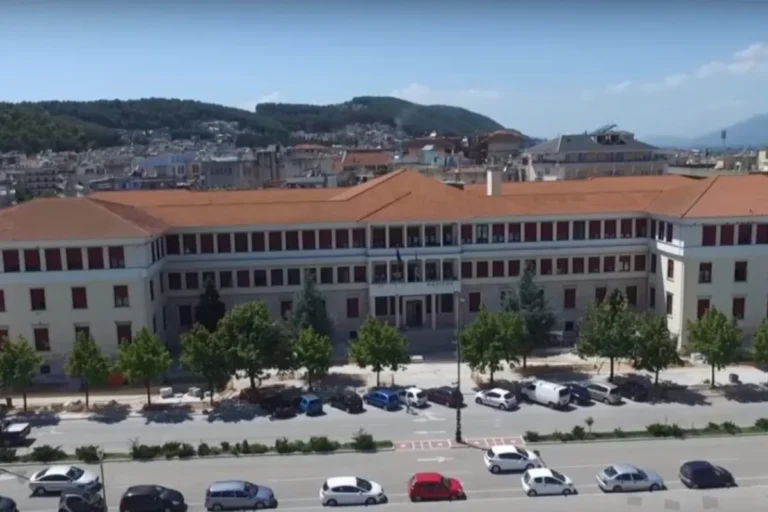
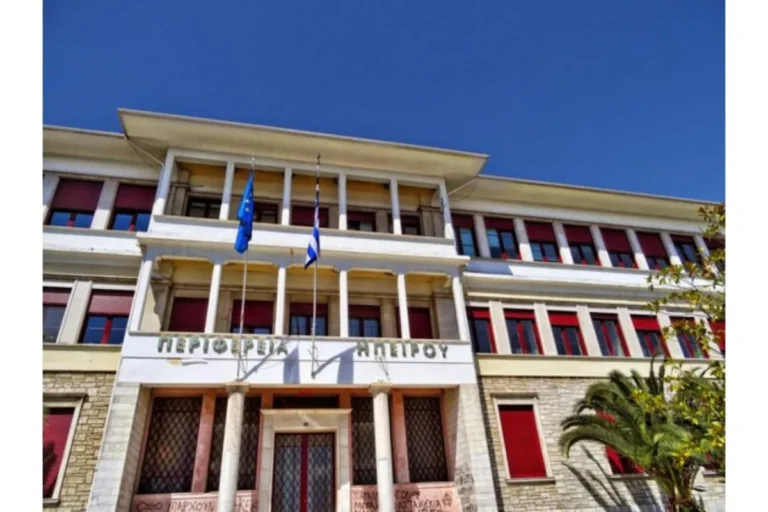
The building of the Region of Epirus, formerly known as the Ioannina Prefecture building, is one of the city’s most distinctive public buildings and a landmark of its modern administrative center. Construction began in 1935, based on plans by Ioannina-born architect Erika Ioannidou, and from its very conception, it was intended to be an imposing administrative building. However, construction was halted in 1940 when the building was bombed and remained in ruins for several years. Reconstruction began again in the 1960s, when the first two floors were completed, while in 1970 the third floor was added in the traditional Ioannina style, creating a striking yet interesting contrast with the austere neoclassical style of the original building.

The value of the site, however, is not limited to the current building. The site has a long historical continuity, as the wider area of today’s central square has been inhabited since the 15th century and was known as Namas Giah, meaning “place of prayer.” Over the following centuries, it evolved into an important hub of the city, and it was also home to Ioannina’s oldest Muslim cemetery. The Namas Giah Mosque, one of the city’s most important mosques, was erected on the same site, built on the site of the older church of Agia Paraskevi. The mosque stood until the early 20th century and was demolished in 1924 as part of the broader demolition of the city’s Ottoman mosques.

The area is also associated with significant infrastructure from the past, such as baths and aqueducts, a fact that confirms its central role in the historical development of Ioannina. Today, the building houses offices of the Region of Epirus and continues to hold key administrative significance. In front of its entrance stand two distinctive statues: those of Eleftherios Venizelos and Ioannis Kolettis, adding yet another layer of symbolic and historical significance to the site.

Το κτήριο της Περιφέρειας Ηπείρου δεν αποτελεί μόνο έναν χώρο διοίκησης, αλλά και ένα ζωντανό κομμάτι της ιστορίας της πόλης, όπου διαφορετικές εποχές, αρχιτεκτονικές αναφορές και μνήμες συνυπάρχουν στον ίδιο αστικό χώρο

See more

Scroll to Top