Sights - Ioannina Squares

Ioannina is shaped by a quiet harmony of nature, history, and everyday life.
The lake reflects centuries of stories, stone-built neighborhoods preserve memory, and ancient landmarks stand as witnesses of culture that endures. Paths through forests and mountain landscapes invite slow exploration, while traditional villages and sacred places reveal the depth of local identity.

Here, every moment feels grounded and sincere, offering experiences rooted in heritage, authenticity, and the natural rhythm of Epirus.

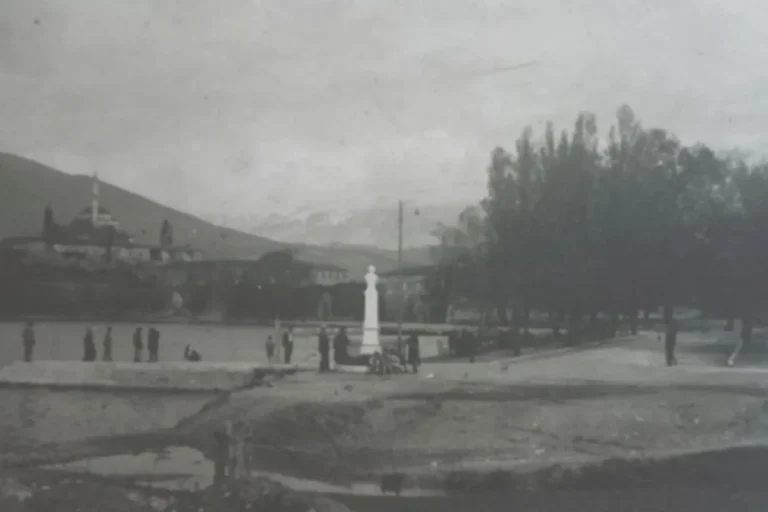
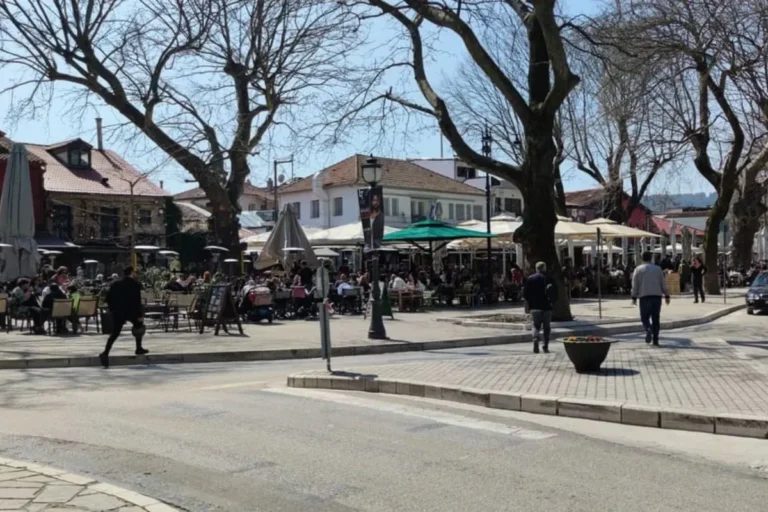
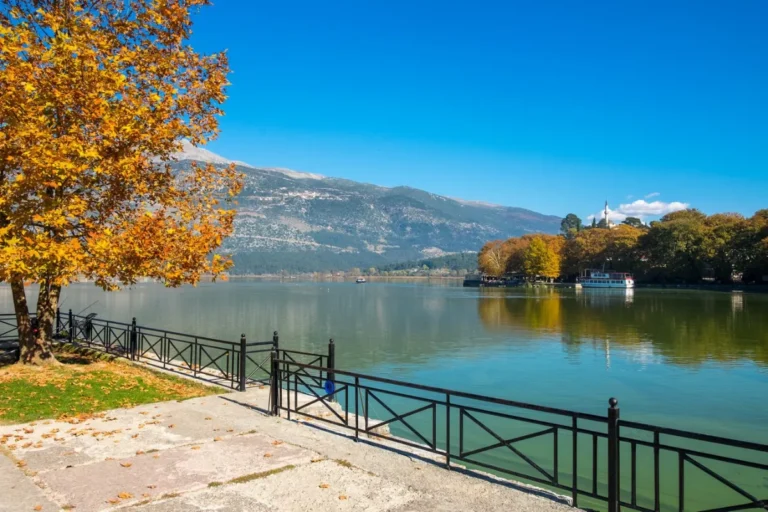
Mavili Square is one of the most distinctive and lively spots in Ioannina, situated right next to Lake Pamvotida. It is a space that combines natural beauty with urban life, creating an ideal setting for relaxation, strolling, and socializing.

The square is named after Lorenzo Mavili, the Corfu-born poet and freedom fighter who fell in the Battle of Driskos in 1912, during the liberation of Ioannina. This historical reference lends the square a special symbolism, linking the city’s past with its present.

Today, Mavili Square is one of the most popular meeting spots for residents and visitors alike. Following its renovation, it features modern dining and café spaces, offering options for every moment of the day, from morning coffee to an evening outing. Direct access to the lake enhances the experience, making it the ideal starting point for lakeside walks.

The square’s value extends beyond its functionality to the overall experience it offers. The combination of landscape, history, and modern life creates a destination that authentically captures the character of Ioannina.

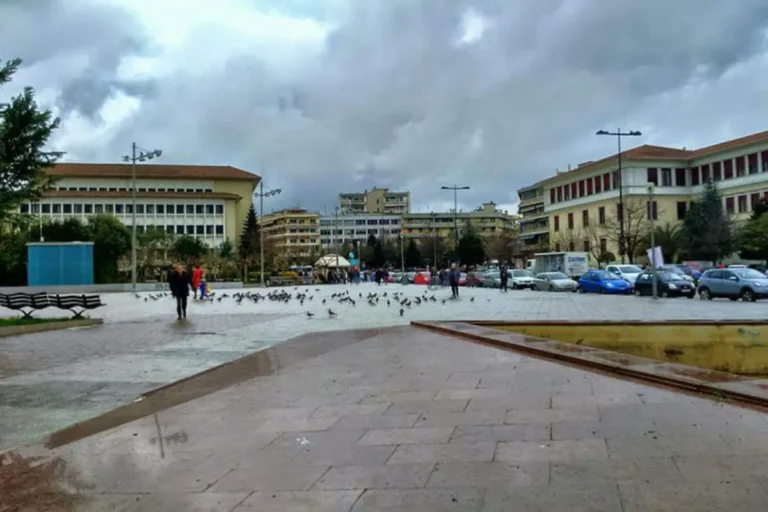
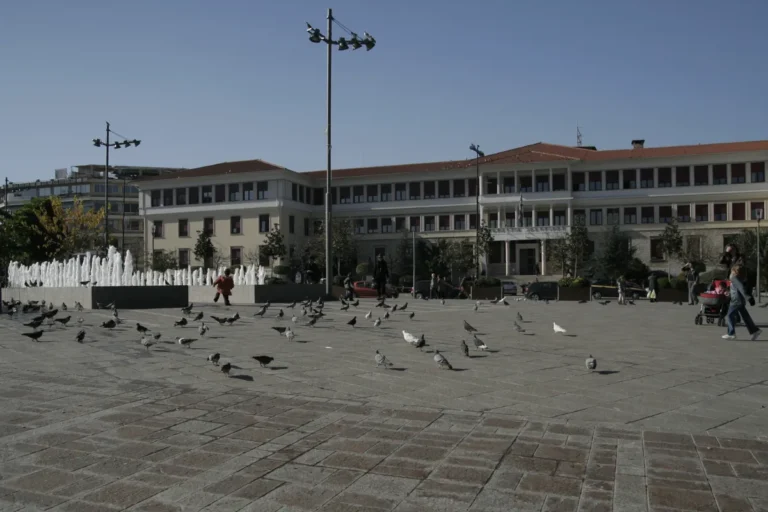
Pyrrhus Square is the central landmark of Ioannina and the heart of the city’s daily life. It is located in front of the Epirus Regional Administration Building and serves as a meeting place, thoroughfare, and hub of activity for residents and visitors alike.

It was named in 1931 in honor of Pyrrhus, King of Epirus, though to most people it remains simply “the central square.” Its location, combined with its connection to key commercial and administrative thoroughfares, makes it a hub for exploring the city.

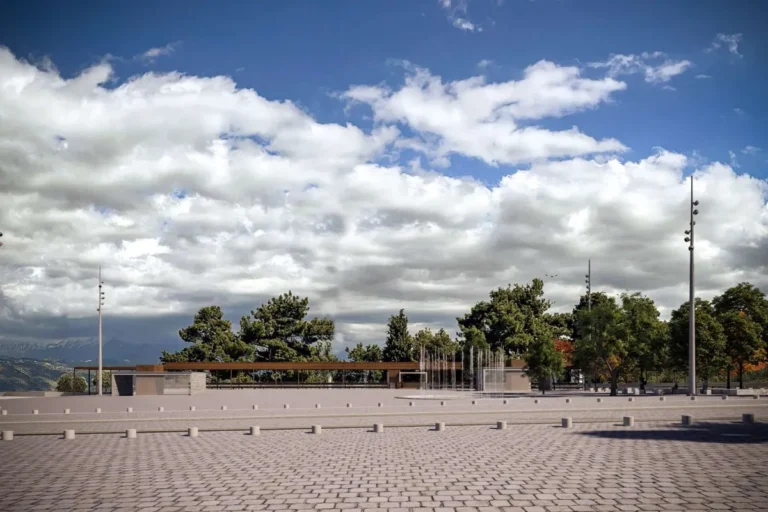
The square has undergone significant renovations in recent years, with the construction of an underground parking garage and the redevelopment of the public space, while new projects are planned to further enhance its functionality and aesthetics.

Today, Pyrrou Square is a vibrant urban space where daily life, commerce, and social life coexist, capturing the pulse of Ioannina at its most central point.

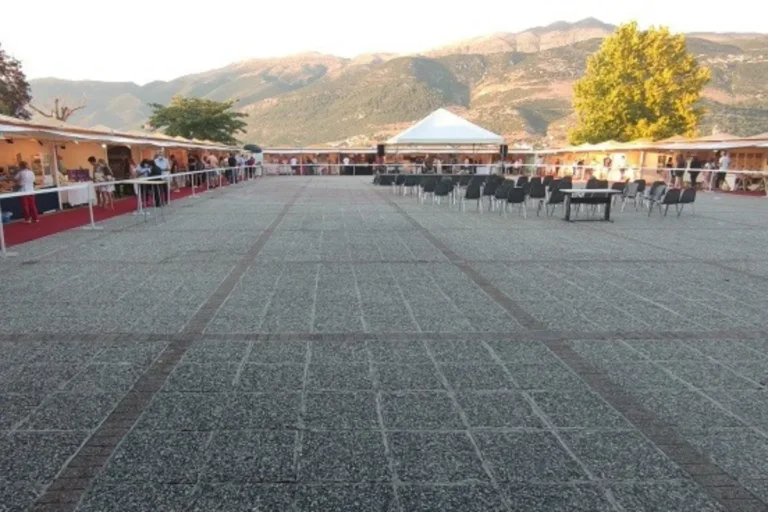
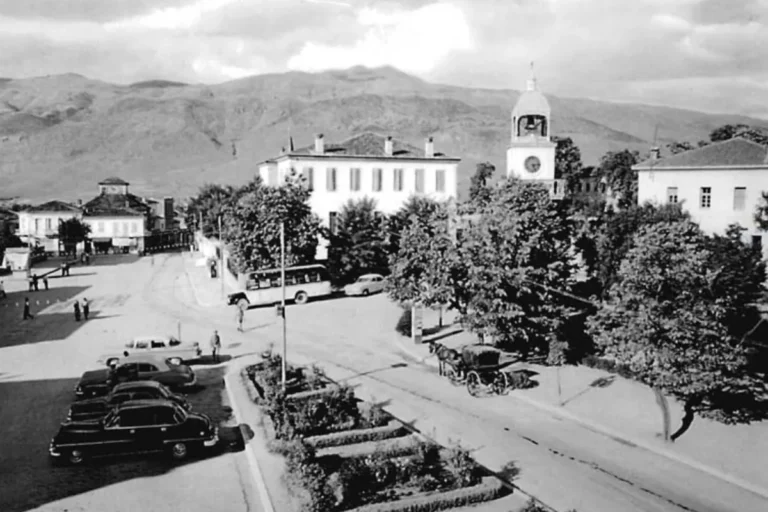
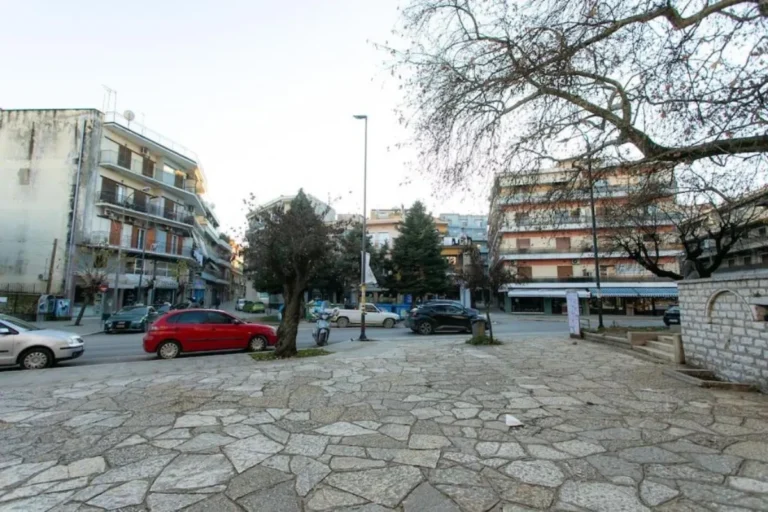
Pargis Square is located a short distance from the central square of Ioannina and is another landmark of the city’s urban fabric, with a history that reflects the various phases of its development.

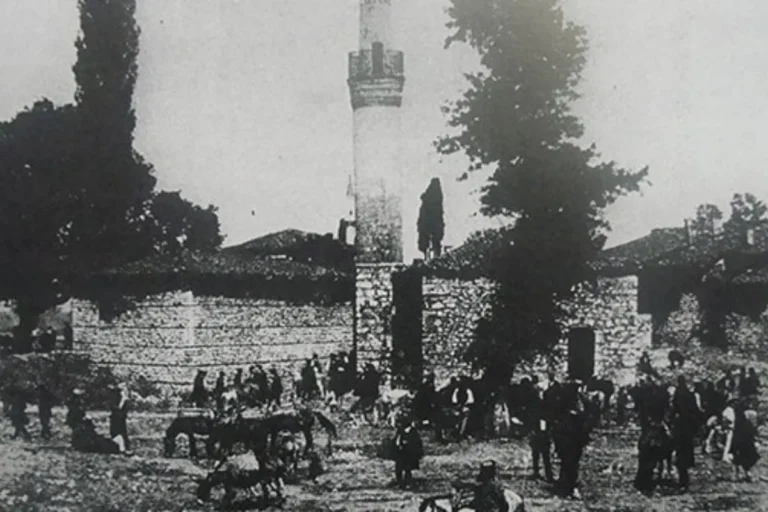
During the period of Ottoman rule, the area was known as Emir Meydan (“Emir’s Square”) and was part of a Muslim quarter, where a mosque and cemetery had existed since the late 15th or early 16th century. After the liberation of Ioannina, these elements were removed, marking the area’s transition into a new era.

For a time, the square was used as a horse market, reflecting the commercial activity of the era, before gradually taking on its current form and function. The name “Pargis Square” was established later, though it is worth noting that between 1959 and 1965 it was renamed Dwight D. Eisenhower Square, a name that was temporarily reinstated during the dictatorship.

Today, Pargis Square is a vibrant hub of the city, where history coexists with modern daily life, serving as a passageway and connection point to the commercial and administrative center of Ioannina.

See more

Scroll to Top